The India You Were
Never Shown.

India can overwhelm you, surprise you, challenge you, and change you, if you experience it the right way.

Why India needs better curation

The real India does not fit inside a standard tour package.

India is layered, living, and impossible to compress. The moments that change you are rarely on a brochure.
India is too layered for copy-paste itineraries
01
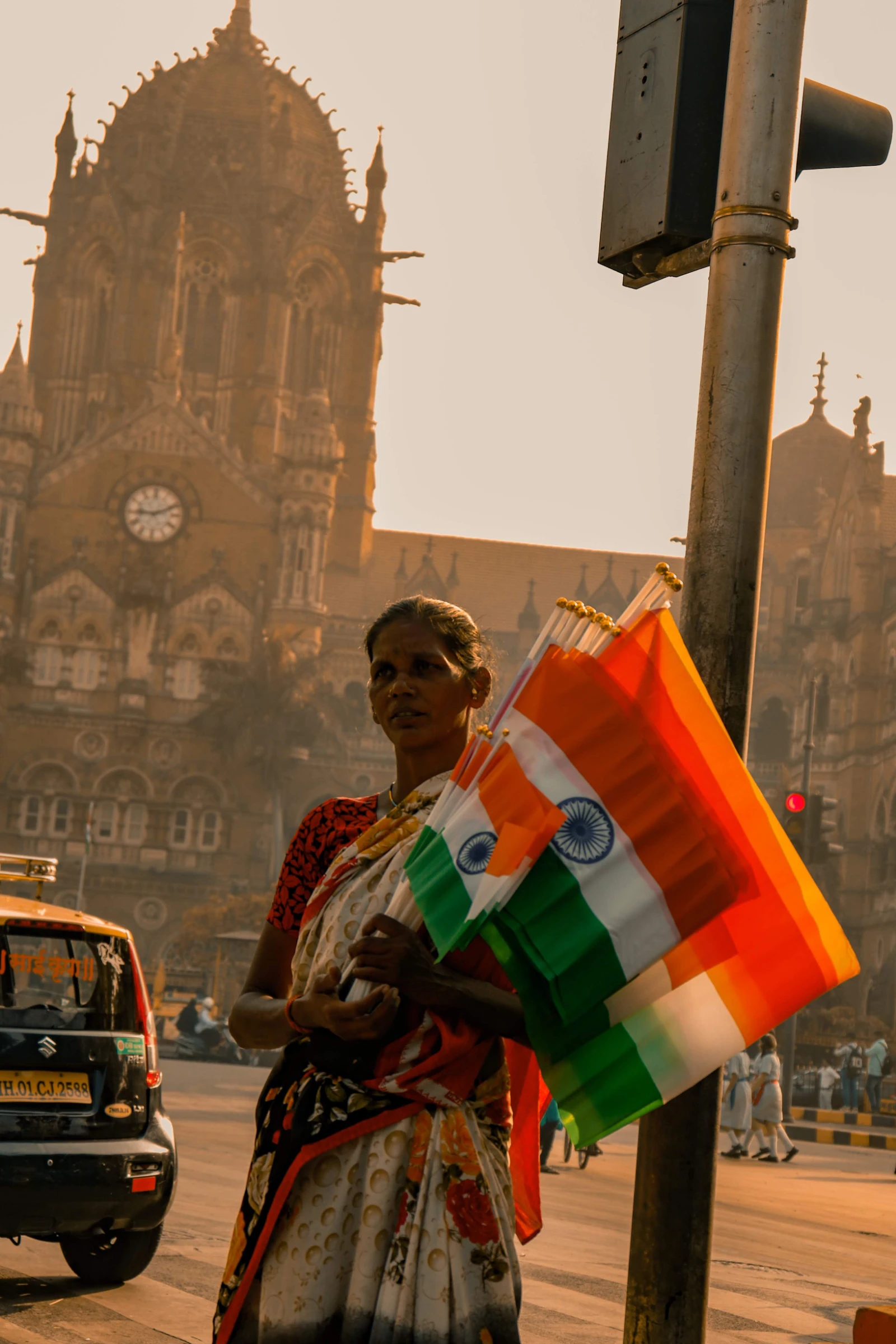
India is too layered for copy-paste itineraries
Every region has its own food, rituals, and pace. A standard route only shows you the surface.
The best experiences are not always online
02
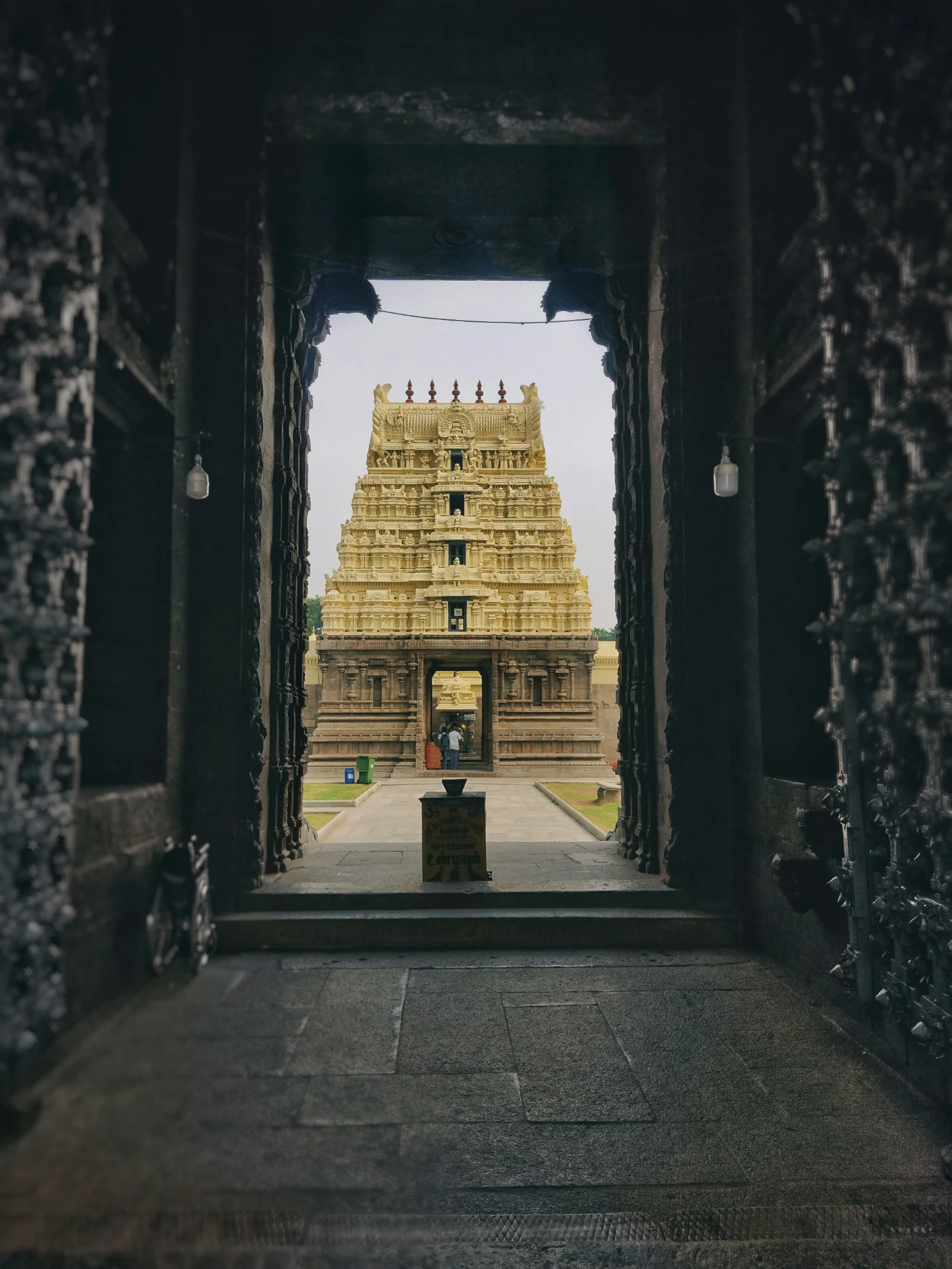
The best experiences are not always online
Hidden temples, family kitchens, old markets. You only get there through the right people.

India can feel overwhelming without context
03
India can feel overwhelming without context
The colour, chaos, and intensity can overwhelm. We help you move through it with comfort, safety, and meaning.
Most trips cover places. We design for moments.
04
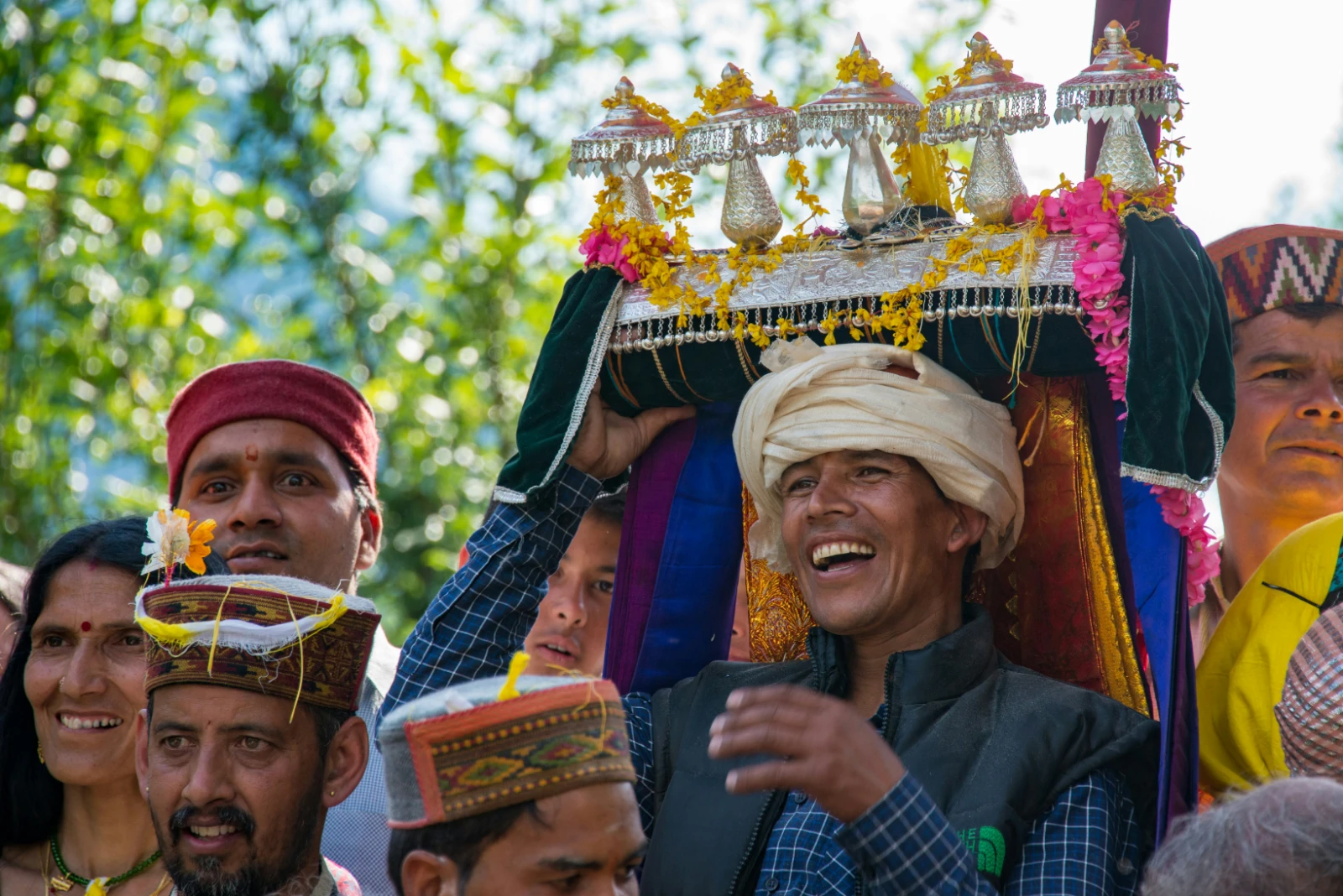
Most trips cover places. We design for moments.
Not how many cities, but the stories, rituals, and unexpected moments that stay with you.

That is why we curate India differently, personal, thoughtful, and far beyond the obvious.

What we curate

Six pillars of the Indian experience

Spiritual
Temple ceremonies, devotional music and the living pulse of sacred India.
Wellness
Ayurveda, yoga, sound healing and restorative forest retreats.
Culinary
Street food trails, village kitchens, spice markets and farm tables.
Culture
Classical arts, living craft studios and centuries of built heritage.
Adventure
Treks, river rapids, desert safaris and cave explorations.
Offbeat
Tribal homestays, sacred forests and the India no guidebook tells you about.
Who we design for

India journeys for travellers who want more than a standard tour.

01
Private Travellers
Couples, families, solo travellers, and friends who want a custom India trip built around their pace, interests, and curiosity.
02
Groups
Small groups who want meaningful shared experiences across culture, wellness, food, and adventure, without the stress of planning alone.
03
Travel Companies
International agencies, boutique operators, and retreat brands looking for a reliable India ground partner.
Safe, supported, seamless

India can feel overwhelming!
We make it seamless.

The magic of India is real but so are the logistics. We help you experience the depth and beauty of India with the right support around you.

01
Custom route planning based on your travel style, pace, and comfort
02
Handpicked stays, guides, hosts, drivers, and local partners
03
Private transfers and smooth ground logistics from arrival to departure
04
Cultural context before temples, meals, rituals, and local interactions
05
Hygiene, food, safety, and comfort filters built into every itinerary
06
Flexible itineraries that balance iconic sights with real local access
Why the Unbored Club

Not a checklist. Not a package.
We enable a different way to experience India.

01
Authentic, not performative
Real people, places, traditions, kitchens, rituals, not packaged clichés.
02
Personal, not copy-paste
Every journey built around your interests, pace, comfort, and idea of meaningful travel.
03
Premium, but human
Comfort and quality, without stripping away the soul and honesty of the place.
04
Local, globally aware
We know how India works on the ground, and what international travellers need.
05
Moments, not just places
The meals, rituals, stories, and unexpected moments that stay with you, not how many cities you covered.
The process

How it works

Every journey starts with a conversation. We listen, then build something completely personal around you.

Traveller stories

What people say about their India journey.

Couple · Spain

India felt so alive, but never overwhelming with Unbored.

We loved how every day had a mix of culture, food, people, and small surprises. It didn't feel like a normal tour at all. It felt personal, warm, and very real.

Clara & Miguel

Spain

Family · United Kingdom

This was honestly one of our easiest family trips.

India felt like a big adventure, but Unbored made everything smooth and safe. The kids had fun, we got enough downtime, and every experience felt meaningful.

Andy & Family

United Kingdom

Group · Germany

We didn't feel like tourists. We felt like we were really experiencing India.

The trip had beautiful places, but the best part was the people, food, stories, and little local moments. Everything was well planned, but still felt relaxed and human.

Anna

Germany

Questions travellers ask us

Planning a trip to India? Start here.

Is India safe for first-time international travellers?
With the right planning, guides, transport, and support, India can be deeply rewarding and comfortable. We design every trip with safety and hygiene in mind.
Do you create custom trips or fixed packages?
We specialize in fully custom India trips, built around your dates, group size, interests, and style. Your final journey is designed entirely for you.
Can you plan for couples, families, and small groups?
Yes. We plan private India journeys for couples, families, solo travellers, and friend groups seeking a more personal, meaningful experience.
Do you work with international travel companies?
Yes. We partner with international agencies, boutique operators, and retreat brands looking for a trusted India ground partner.
Which destinations do you cover?
Rajasthan, Delhi, Kerala, Goa, Varanasi, Ladakh, Tamil Nadu, Himachal, Northeast India, and many more destinations across the country.
How far in advance should we plan?
We recommend starting 2–4 months ahead. For peak months or larger groups, earlier is always better.
What experiences can you include?
Culture, wellness, food, spirituality, adventure, and offbeat India, from Ayurveda in Kerala to village immersions in Rajasthan and living root bridges in Meghalaya.
Do you handle hotels, guides, and logistics?
Yes. We help with route planning, handpicked stays, private transfers, local guides, curated experiences, and full on-ground coordination.
Plan your journey

Your India journey starts here.

A few quick questions so we can design something truly personal for you.

Your details
Who are you travelling with?
How many travellers?
When are you planning to visit India?
What kind of India experience are you looking for? Select all that apply
Which regions interest you? Select all that apply
What travel style feels right? Select all that apply
Budget per person excluding international flights
Asia retreat landscape

Host your next retreat in Asia - without the chaos.

We help yoga teachers, wellness experts, and domain leaders host deeply curated retreats across Asia, end to end. You create. We orchestrate.

Who This Is For

For experts who want to turn their practice into a retreat.

Yoga retreats are our core focus, but we partner with any expert who brings people together around a meaningful practice, passion, or transformation.

Yoga

01 · CORE FOCUS

Yoga Teachers & Studios

Host immersive retreats without managing planning, logistics, or on-ground execution.

Wellness

02

Wellness & Spiritual Experts

Meditation, breathwork, Ayurveda, sound healing, therapy, and coaching.

Domain

03

Domain Experts

Food, photography, art, personal growth, culture, or any passion-led field.

Travel

04

Retreat Hosts & Travel Brands

Communities and travel companies looking for a strong Asia operations partner.

Why Asia

Asia gives retreats the depth, beauty, and stillness they deserve.

India
India
Bali
Bali
Nepal
Nepal
Thailand
Thailand

Deep spiritual and cultural roots across every destination

Rich local rituals, food, healing systems, and traditions

Stunning natural settings for yoga, reflection, and community

Perfect for yoga, wellness, culinary, and adventure-led retreats

Affordable luxury and world-class hospitality

What We Take Off Your Plate

You lead the experience. We run the engine behind it.

Running a retreat is deeply rewarding, and deeply complex. We've built the systems, relationships, and expertise to handle every moving piece, so you can be fully present for your participants.

You stay the face of the retreat. We stay the team behind the scenes, invisible, reliable, and fully accountable.

Retreat concept & destination planningTailored to your teaching style, audience, and vision
Itinerary design & local experience curationDay-by-day flow, local immersions, cultural experiences.
Venue, stay, transport, meals & activitiesHandpicked properties with yogashalas and healing spaces
Pricing, inclusions & commercial planningStructure that works for you and your participants
Bookings, payments & guest communicationAll pre-retreat and on-retreat logistics, handled
Dedicated co-host support during the retreatOn-ground team so you can focus on leading
Optional: retreat positioning & launch supportMarketing clarity, community communication, guest flow

The Process

A simple partnership from idea to execution.

1

Share the vision

Your audience, retreat goals, preferred destination, and teaching style.

2

We build the retreat

Itinerary, stay, experiences, pricing, and structure.

3

Launch together

You promote. We support with positioning and guest flow.

4

We run the backend

Bookings, vendors, transport, stays, communication.

5

You show up & lead

Teach, guide, connect. Our team handles everything on the ground.

Partner With Us

Have an idea for a retreat? Let's build it together.

If you've dreamed of hosting a yoga retreat or wellness retreat in Asia but felt overwhelmed by the logistics, we can take it from idea to execution.

About The Unbored Club

We are here to make
travel feel alive again.

Meaningful India journeys and expert-led retreats across Asia, for people who want more than beautiful places and forgettable holidays.

Why Unbored?

Because most travel has become too predictable.

Somewhere along the way, travel became a checklist.

Same famous places. Same photo stops. Same rushed itineraries. Same feeling of coming back with pictures, but not enough stories.

We started The Unbored Club because we believe travel should do more than move you from one location to another. It should make you curious. It should stretch you a little. It should help you meet people, understand cultures, try something new, and see the world differently.

That is why we curate travel experiences that go beyond sightseeing, into food, rituals, wellness, adventure, local life, and human connection.

We are not here to help people escape life. We are here to help them feel more alive in it.

Our Mission

To make travel more meaningful,
personal, and transformative.

Adithyaa, Founder of The Unbored Club
Founder Story

“The best travel experiences always have a sense of purpose. They leave you slightly different from who you were when you arrived.”

I started The Unbored Club because the trips that stayed with me were never about more places, they were about trekking in the Himalayas, running a 10K in Mumbai, sharing meals with strangers.

Today, we curate India journeys and retreats across Asia for people who want more depth, more meaning, and a lot more soul.

Adithyaa, Founder · The Unbored Club

What We Believe

Five pillars behind every journey we curate.

01
Travel should change something in you
02
Go deeper, not faster
03
Comfort without losing the soul
04
Places become meaningful through people
05
The best journeys are personal
Start the journey

Ready to experience travel differently?

Every journey starts with a conversation.

Let's talk

Start your India story.

Tell us what you’re dreaming of, and we’ll get back to you within 24 hours with the next steps.

Your details
Who are you travelling with?
How many travellers?
When are you planning to visit India?
What kind of India experience are you looking for? Select all that apply
Which regions interest you? Select all that apply
Budget per person excluding international flights
How serious are you about planning?
Tell us what kind of India trip you're dreaming of (Optional)
THE UNBORED BLOG

Dispatches from the real India.

Stories, guides and honest perspectives for travellers who want more than a checklist.

No articles in this category yet. Check back soon.

Ready to go?

Turn the story into your journey.

Everything you've read about, we can help you experience. Tell us where your curiosity is pointing.

Plan Your India Journey →
Flagship & Beyond the Golden Triangle

The Taj Mahal, Reimagined: How to See Agra's Icon Without the Crowds

By Adithyaa, The Unbored Club·18 June 2026·7 min read

The best way to see the Taj Mahal without the crowds is to arrive at sunrise, the moment the gates open, with your ticket already booked. The first hour is the calmest and coolest of the day, and the soft early light is when the white marble does its most beautiful work. I have done this morning many times, and the difference between rushing in at midday and arriving early is the difference between seeing the Taj and actually feeling it.

Almost everyone arrives already knowing what it looks like, which is the trap. Most first-timers take the same photo as the person beside them and leave within the hour. This guide covers what you need: the best time to visit, tickets and timings, which gate to use, how long to stay, and the quieter art of arriving well.

Why does the Taj Mahal feel so different at sunrise?

At sunrise the Taj is quieter, cooler and lit by soft, changing light. The crowds are thin in the first hour, the heat has not built, and the building seems to shift colour as the sun climbs. The marble is not a flat white. It is slightly translucent, so it picks up whatever the sky is doing. Around dawn it can read as pale grey, then blush pink, then warm cream, then the bright ivory you know from photographs. Stand still for ten minutes and you will watch the dome change.

Early in the morning you can also hear birds and the breeze through the gardens. A Taj Mahal sunrise is as much about that hush as the view.

The Taj Mahal emerging from early morning mist

Winter mornings bring mist off the Yamuna River — the Taj becomes a ghost of itself, materialising slowly as the light changes.

What is the best time to visit the Taj Mahal?

The best time to visit is October to February, when northern India is cool and dry, and within any day the first hour after opening at sunrise. Avoid the peak heat of May and June, and expect humidity and sudden rain during the July to September monsoon.

Season When What to expect
Cool season Oct – Feb Most comfortable. Clear light. Dec and Jan can bring early fog that veils the Taj until mid-morning.
Hot season Mar – Jun Very hot, often past 40°C. Harsh light, marble too hot to walk on barefoot by midday. Sunrise is essential.
Monsoon Jul – Sep Humid and green, with cleaner air and dramatic skies. Downpours are unpredictable; mornings between showers can be lovely.

If your dates are flexible, aim for late October to February and build your Agra morning around sunrise. Whatever the month, give Agra a full overnight rather than a rushed day trip, so the early start is gentle rather than brutal.

How do you actually see it without the crowds?

Arrive before the gates open at sunrise, buy your ticket in advance, and walk straight to the main viewing platform before stopping for photos. The first 45 minutes are the calmest of the day. The crowds build fast once the tour groups arrive mid-morning, so your whole advantage is being early.

  • Stay in Agra the night before. A same-day trip from Delhi means leaving in the small hours and arriving tired.
  • Book your ticket ahead, ideally online, so you are not queueing while the best light passes. Keep your passport handy.
  • Go on any day except Friday, when the complex is closed to sightseeing. Weekends and public holidays are busiest.
  • Walk past the famous bench at first. Everyone stops there immediately and it bottlenecks. Take your quiet photos near the platform, then circle back.
  • Move toward the building, not away from it. The garden paths along the sides and the area behind the Taj, facing the Yamuna, stay noticeably emptier.

None of this needs special access. It needs an early start and the discipline not to raise your camera the second you walk in. The travellers who linger almost always call the morning the highlight of their trip.

Pro tip

A good local guide can lift the whole morning. The right one brings the storytelling that turns white marble into living history, and knows the quiet corners and photo spots most visitors walk straight past.

A guide pointing at the Taj Mahal at sunrise, very few people in the complex

Arriving before the coach groups means you get the forecourt almost to yourself — those first fifteen minutes are irreplaceable.

What should you know about tickets, timings and gates?

The Taj Mahal opens about 30 minutes before sunrise and closes about 30 minutes before sunset, every day except Friday. Foreign visitors pay a higher entry fee than Indian nationals, with a small extra charge to enter the main mausoleum, and young children usually enter free. Prices and rules change — always check the official Taj Mahal site or the ASI ticketing portal close to your travel date.

  • Timings: roughly sunrise to sunset, shifting with the season. Gates open later in winter, earlier in summer.
  • Closed Fridays: open only to those attending midday prayers at the mosque. Plan your Agra day for any other day.
  • Gates: West, East and South. The West gate is closest to town and efficient; the East gate is often quieter at opening; the South gate opens slightly later.
  • Night viewing: offered on five nights around each full moon with separate tickets and tighter rules, not on Fridays or during Ramadan.
  • Security is thorough and the banned-items list is long. Large bags, tripods, food and many electronics are not allowed. Travel light: a phone, a camera, your ticket, passport and water.

For the view, resist planting yourself dead centre with everyone else. The symmetry is glorious from the middle, but the early light is often best from the side, where you catch the dome and one minaret against the open sky. Walk the platform, step into the gardens, and go round to the back above the river, where far fewer people venture.

The Taj Mahal viewed through a sandstone window, golden afternoon light

The smaller windows and doorways offer framings most visitors walk straight past.

Classic view of the Taj Mahal reflected in the long central pool

The reflection pool shot requires arriving before 8am — later, the foreground fills with visitors.

How long should you spend, and what else is in Agra?

Plan for at least two to three hours, starting at opening. That gives you time to watch the light change, walk the Mughal gardens, step inside the mausoleum and simply sit. An hour (which is all many tours allow) is the single most common reason people leave underwhelmed.

Agra is also more than the Taj, and most day trips skip the rest. A few experiences worth building in:

  • Rural Agra: Peaceful villages, local farming families, traditional crafts, and panoramic views of the Taj from lesser-known vantage points few travellers ever reach.
  • Agra Fort and other monuments: The red sandstone fort where Shah Jahan spent his final years imprisoned by his son, reportedly gazing at his wife's tomb in the distance, plus quieter gems like the Baby Taj.
  • Artisan Studio Trail: Marble inlay, embroidery and miniature artists keeping Mughal crafts alive, in genuine working studios rather than tourist showrooms.
  • Pattal ki Dawat: Traditional dishes served on leaf plates; the flavours of old Agra.

This is why I push travellers to give Agra a night rather than treating it as a stop between Delhi and Jaipur.

A person sitting in meditation facing the Taj Mahal through a mosque archway in golden morning light

From the mosque's inner arches, you can sit with the Taj at close range with almost no one else around — especially in the first hour after opening.

Is the Taj Mahal worth visiting, honestly?

Yes, but how you visit decides whether it feels extraordinary or anticlimactic. As a one-hour photo stop in the heat, it can disappoint. As an unhurried sunrise morning with time to explore the wider complex, it lives up to its reputation and often exceeds it.

I try to be honest about the trade-offs. Agra can feel chaotic, the touts near the gates are persistent, and the peak-season crowds are real. But those are logistics, and logistics can be planned around. The building itself is not overrated — it is one of the few famous sights that genuinely earns its fame, as long as you give it the conditions to do so.

Quick reference: visiting the Taj Mahal
  • Arrive at opening: sunrise is always the right answer
  • Stay in Agra the night before; don't attempt a same-day trip from Delhi
  • Book tickets online in advance and skip the queue entirely
  • Use the West or East gate, not the South gate
  • Walk past the famous bench first; circle back once crowds thin
  • Allow 2–3 hours minimum; pair with Agra Fort and the Baby Taj for a full day
  • Full moon night visits: apply months in advance for peak season
  • No Fridays: closed to general sightseeing

Frequently asked questions

What is the best time of day to visit?

Sunrise, in the first hour after the gates open. The light is soft and changing, the air is cool and the crowds are thinnest. Late afternoon toward sunset is the second-best option, often viewed from Mehtab Bagh across the river.

Is the Taj Mahal closed on any day?

Yes, closed to general sightseeing every Friday. Access on Fridays is limited to those attending midday prayers at the on-site mosque. Weekends and public holidays are the most crowded.

How much does entry cost?

Foreign tourists pay around $14 combined, including a small extra charge to go inside the main mausoleum. Fees change, so check the official ticketing site and book online to save time.

How long do you need?

Allow two to three hours at minimum. An hour is not enough; it is the single most common reason people leave underwhelmed.

Can you visit at night?

Limited night viewing is offered on five nights each month around the full moon, with separate tickets and stricter rules, with no access on Fridays or during Ramadan. For most visitors, sunrise is more reliable and rewarding.

Is one day in Agra enough?

A single morning covers the Taj, but Agra rewards an overnight. With one night you can see the Taj at sunrise, plus Agra Fort, the Baby Taj, the marble artisans and the sunset view across the river.


Wellness

Authentic Ayurveda in India: How to Tell Real Treatment From a Spa Menu

By Adithyaa, The Unbored Club·23rd June 2026·12 min read

The honest difference is not the oil or the room. It is whether a doctor looked at you first.

Here is the short version. Authentic Ayurveda in India is medicine that begins with a doctor examining you. A spa treatment begins with a menu. If you have researched Ayurveda in India at all, you have seen how far the word stretches: across resort spa menus, airport billboards, and the signboards of small clinics down quiet Kerala lanes. The version that heals and the version that simply relaxes look almost identical from the outside. This guide is how I tell them apart, from the part of India where the tradition is most alive.

There is nothing wrong with a good massage. But Ayurveda was never designed to be a pampering session. It is a system of medicine that is thousands of years old. Knowing the difference protects your time, your money and your health.

What is authentic Ayurveda in India, really?

Authentic Ayurveda is a complete system of traditional medicine. It diagnoses you as an individual, prescribes treatment for a reason, and is delivered under the supervision of a qualified Ayurvedic doctor. Relaxation may follow, but it is a side effect, not the goal.

The word translates roughly as the knowledge of life, and at its centre is a simple idea: each person has a particular constitution, and health is what happens when it stays in balance. Treatment is therefore personal. Two travellers can walk in with the same stiff shoulders and leave with different oils, diets and routines, because the practitioner treats the person, not only the symptom.

A real centre asks about your sleep, digestion and stress before anyone touches a bottle of oil. The difference of a person-first versus menu-first is the most reliable tell you have.

Ayurvedic doctor conducting a consultation in Kerala

A genuine Ayurvedic consultation begins with the practitioner, not the treatment menu. The doctor assesses your constitution before prescribing anything.

Why did Kerala become the home of Ayurveda?

Kerala is widely regarded as the home of Ayurveda because physician families kept the tradition alive across generations, and because the climate suits the treatments themselves. It is not the only place Ayurveda is practised, but it is where the unbroken lineage runs deepest.

A few things came together. The state has a long line of vaidyas, hereditary physicians who passed knowledge down through families. The monsoon climate, with its cool, moist air, is considered ideal for the oil-based therapies at the heart of the practice, which is why the rainy months of roughly June to August are traditionally the best season for serious treatment, not the worst. Kerala also grows much of its own raw material, and the state formally classifies Ayurvedic centres.

That makes it the easiest place in India to find the real thing and why so many of the most genuine options sit not inside five-star resorts but in modest, doctor-run hospitals most tourists never think to look for.

Ayurvedic treatment vs a spa massage: the real difference

The techniques can look similar. The intent behind them is completely different.

Authentic Ayurvedic treatmentSpa massage
Starts withA doctor's consultationA treatment menu
Chosen byPrescribed for your constitutionPicked by you for pleasure
OilsMedicated, herbal, earthyGeneric, aromatic, perfumed
GoalRestore balance / treat somethingRelaxation
FormatA course over several daysA standalone hour
AftercareDiet, rest and routine adviceNone

If nobody asks about you and the oils smell mainly of lavender and citrus, you are in a spa and that is fine, as long as you know which one you chose.

How can you tell a real Ayurvedic centre from a tourist spa?

The clearest signals are official classification, a doctor on site, medicated oils, and a treatment plan rather than a price list. In Kerala, the government runs a certification system that does much of the filtering for you.

The Kerala Tourism Department classifies Ayurvedic centres into two accredited tiers, designed precisely to help visitors avoid guesswork:

  • Green Leaf. The higher classification. Stricter standards for facilities, hygiene and setting, including qualified physicians on site, trained therapists, quality furnishings and a calm environment.
  • Olive Leaf. The standard classification. Same core medical requirements - treatment under a qualified Ayurvedic physician and properly trained therapists - but simpler facilities.
What to look for in a genuine centre
  • A real consultation: you meet a doctor and answer questions before any treatment is booked
  • Medicated, not perfumed, oils: authentic oils smell herbal and earthy
  • Simple treatment rooms: often a wooden droni, the carved treatment table
  • Same-sex therapists: genuine centres assign accordingly
  • A plan, not a one-off: real treatment comes as a course over several days
Shirodhara treatment with warm oil poured on the forehead

Shirodhara, a thin stream of warm oil across the forehead is prescribed for the nervous system and sleep.

Rows of Ayurvedic herbal oils in Kerala

Medicated oils are prepared from herbs grown locally, they smell earthy and complex.

What happens in a genuine Ayurvedic consultation?

A genuine consultation is a diagnosis. The doctor assesses your constitution and current imbalance through observation, questions and pulse reading, then prescribes treatment, diet and routine. It takes longer than you expect, because it is medicine, not admin.

The clearest tell

If a centre skips the consultation and goes straight to the oil, you are not receiving Ayurveda, you are receiving a massage with an Ayurvedic name.

What treatments will you actually receive?

  • Abhyanga. A full-body massage with warm medicated oil, often by two therapists in rhythm.
  • Shirodhara. A thin, steady stream of warm oil poured across the forehead, prescribed for the nervous system and sleep.
  • Panchakarma. The deep-cleansing heart of Ayurveda: a structured programme over a week or more under close medical supervision.
  • Supporting therapies. Herbal steam baths, medicated rice-bolus massage, nasal treatments, chosen to fit your diagnosis.
Remember

None of these should be sold off a laminated menu. They should be prescribed.

How long does authentic Ayurveda really take?

A single session can relax you, but real results from a programme such as panchakarma typically need 7 to 21 days. Anything sold as a one-hour Ayurvedic cure is marketing, not medicine.

What does authentic Ayurveda in Kerala cost?

Costs vary widely by setting rather than by quality. A doctor-run local hospital can deliver excellent treatment affordably, while a resort charges far more for comparable therapy in a more comfortable setting. A higher price does not guarantee more authentic care.


Frequently asked questions

Is Ayurveda in India scientifically proven?

Ayurveda is a traditional system with thousands of years of practice behind it. Modern clinical evidence varies by treatment. Treat it as complementary and consult a professional before stopping any prescribed medication.

What is the best time of year for Ayurvedic treatment in Kerala?

Traditionally the monsoon months, roughly June to August, because the cool, humid air helps the body absorb medicated oils. Treatment continues year round.

Is authentic Ayurveda relaxing or intense?

It can be both. A single oil massage is relaxing. A full programme such as panchakarma is therapeutic and can be demanding, with dietary restrictions and cleansing therapies.

Can I combine an Ayurveda programme with the rest of an India trip?

Yes. A few days of treatment pair naturally with Kerala's backwaters and hills. Best placed at the start or end so the rest can settle around it.


CULTURE

Varanasi: A Sunrise, Sunset and Midnight Guide to India’s Oldest City

By Adithyaa, The Unbored Club·27th June 2026·14 min read

Varanasi rewards the traveller who stays for a full turn of the day, from the first light on the river to the stillness long after the crowds have gone home.

Varanasi is best experienced across a full day: a boat on the river at sunrise, the old lanes and temples through the late morning, and the Ganga aarti ceremony at sunset. Each hour shows you a different version of the same riverbank, and most travellers see only the evening. The city’s quietest and most lasting moods happen before most people are awake.

Known also as Banaras and Kashi, the city sits on the west bank of the Ganga in Uttar Pradesh. For Hindus it is among the most sacred places in the country. For a curious outsider it can feel overwhelming at first, then, slowly, deeply moving. The trick is to slow down and let it set the pace.

Why is Varanasi called India’s oldest city?

Varanasi has been continuously inhabited for around three thousand years. In Hindu belief the city is sacred to Shiva, and its older name, Kashi, means the city of light. People travel here from across India to bathe in the Ganga, to pray, and for many, to spend their final days, in the belief that dying in Varanasi brings moksha, release from the cycle of rebirth. That belief shapes everything you see along the water.

What is the best time of day to experience Varanasi?

There is no single best hour. Varanasi is really three cities folded into one day: the meditative river at dawn, the everyday bustle of the old lanes by late morning, and the fire and sound of the ghats after dark. To understand the place at all, give it at least one sunrise and one sunset.

If you only have one full day, build it around the water at both ends. Start before dawn with a boat ride, spend the late morning in the old lanes, the Kashi Vishwanath temple sits in this maze of alleys and is worth seeking out, then rest through the hottest part of the afternoon before returning for the evening ceremony.

Worth timing for

If you can time your visit to Dev Deepawali - the full moon of November - the ghats are lit with hundreds of thousands of oil lamps and the riverfront becomes one of the most extraordinary sights in India.

What is a Varanasi sunrise boat ride actually like?

A sunrise boat ride is the calmest and most beautiful way to meet the city. Boats push off around 5 to 5.30 am from Assi Ghat, drifting north as the sun comes up. You hear the water, early temple bells, the sound of laundry hitting stone, and almost nothing else. Pilgrims wade in to bathe, small leaf boats carrying marigolds and a flame float past, and a morning mist often softens the whole skyline of temples and old palaces into something suspended in time.

Down at Assi Ghat, the morning has its own ritual called Subah-e-Banaras - yoga, Vedic chanting and live classical music at first light - and it is free to watch. Agree the price and route of any boat before you step in, and always prefer a hand-rowed boat. It is slower, quieter and far kinder to the calm you came for.

Sunrise boat ride on the Ganga in Varanasi

From the water, the ghats reveal themselves slowly as the light grows, pilgrims bathing, priests at their stations, the city waking all at once.

Honest note

Winter mornings on the river can be genuinely cold and foggy. Bring a layer, and accept that on some days the sun stays hidden behind the mist.

What are the Varanasi ghats, and which ones should you know?

Around eighty ghats run in a near-continuous ribbon along the bank, each with its own character and daily rhythm.

Dashashwamedh Ghat

The busiest and most central, and the stage for the main evening Ganga aarti. Lively at almost any hour.

Assi Ghat

Calmer and more spacious; home to the Subah-e-Banaras morning ceremony and a good place to begin a sunrise boat ride.

Manikarnika Ghat

The principal cremation ghat, where funeral pyres burn day and night. A profoundly sacred place, approached with quiet respect.

Harishchandra Ghat

The other, smaller cremation ghat, named after a king revered for his unwavering honesty.

Kedar Ghat

Marked by a red and white striped temple - one of the more photogenic ghats in soft morning light.

Panchganga Ghat

A historic ghat crowned by a large mosque, where by tradition five rivers are said to meet.

The stone steps of the Varanasi ghats

Each ghat has its own rhythm - some busy with pilgrims, others almost contemplative.

Varanasi ghats from the river

From the river the full length of the riverfront opens up - temples, palaces and stone steps in a continuous line.

What is the Ganga aarti, and where do you watch it?

The Ganga aarti is an evening ceremony of light and thanks offered to the river, performed every day at Dashashwamedh Ghat. In summer it begins around 6.45 pm, in winter around 5.45 pm, and lasts about forty-five minutes. It is free to attend, every day of the year.

Seven priests in matching robes swing large brass lamps, circle incense, ring bells and chant, all timed to drums and devotional song. The smoke, firelight and sound build into something genuinely hypnotic, and the river fills with small floating lamps. From a boat the whole ceremony opens up at once: priests in formation, smoke rising, the river full of drifting lights.

The Ganga aarti ceremony at Dashashwamedh Ghat, Varanasi

The aarti at Dashashwamedh Ghat is where seven priests, brass lamps, incense and devotional music that builds into something unforgettable.

Tip

Arrive thirty to forty-five minutes early for a good place on the steps. If the main aarti feels too crowded, the smaller evening ceremony at Assi Ghat is gentler and easier to take in.

What is the food like in Varanasi?

Varanasi is a strictly vegetarian city at its core and the food is one of its quiet pleasures. The most famous thing to eat is kachori sabzi: a flaky deep-fried bread with spiced potato and chickpea curry, found at breakfast stalls near the ghats from around six in the morning. The lassi is thick and serious, often topped with malai and served in earthen cups. Go hungry before your sunrise walk, and follow the crowds rather than a list.

Street food and the old lanes of Varanasi

Most of the good eating happens early, at street stalls rather than restaurants, at an entirely unhurried pace.

What is Varanasi like at midnight?

After the evening crowds thin, Varanasi becomes intensely still. The lanes empty, the shops shutter, and most ghats fall dark and quiet. The exceptions are the cremation ghats - Manikarnika and Harishchandra - where fires burn through the night without pause. This is the city at its most elemental, and it asks for sensitivity. Photography at the cremation ghats is never appropriate. Simply stand quietly at a distance and witness.

After dark

The lanes are dark and easy to get lost in. Go with a trusted local guide, or stay close to your accommodation.

How long should you stay?

Give Varanasi at least two full nights, enough for one sunrise and one sunset without rushing. Three nights is much better. A single afternoon barely scratches the surface.

Practical notes
  • Dress modestly, cover shoulders and knees, especially near temples
  • Remove shoes before entering temples and follow the lead of those around you
  • Do not photograph cremations or grieving families at the cremation ghats
  • Agree boat price and route before boarding and prefer a hand-rowed boat
  • The old lanes are a maze. Walk slowly and get lost on purpose
  • October to March is the most comfortable season; summers are very hot
  • Carry small cash for boats, offerings and chai; drink bottled or filtered water

Frequently asked questions

Is Varanasi safe for tourists?

Generally safe with normal precautions. Keep an eye on your belongings, be polite but firm with touts, and take extra care after dark.

How many days do you need?

Two nights is the sensible minimum. One sunrise, one day in the lanes, one Ganga aarti. Three nights gives you room to slow down and add nearby Sarnath.

Can you photograph at the ghats and the Ganga aarti?

Yes for most ghats and the aarti ceremony. Never at the cremation ghats - Manikarnika and Harishchandra.

Is the Ganga aarti free to watch?

Yes, free every day of the year. You pay only for a boat if you choose to watch from the water. Arrive early for a good position.

Is Varanasi worth visiting for non-Hindu travellers?

Absolutely. The draw is witnessing a city that holds ritual, daily life, music, death and devotion in the same narrow lanes. Travellers who arrive with openness almost always find it profoundly moving.


OFFBEAT

Ladakh: Stargazing in Hanle and the Roof of the World

By Adithyaa, The Unbored Club·30th June 2026·13 min read

Few places on earth make you look up the way Ladakh does. At Hanle, on the Changthang plateau, the Milky Way fills the sky wall to wall, and one village has built the infrastructure to help you understand what you are looking at.

Ladakh is a high-altitude desert in the northernmost part of India, sitting between the Himalaya and Karakoram ranges at elevations that most of the world calls a mountain summit. Leh, the main town, sits at around 3,500 metres. The village of Hanle, three to four hours further south-east across the Changthang plateau, sits at roughly 4,500 metres , and hosts what I think is the single most moving travel experience in the country: a clear, moonless night under a sky that most people will never see anywhere else.

What makes Ladakh different from other high-altitude destinations?

Ladakh is not the Himalaya as most travellers picture it. There are no jungle valleys, no rice terraces, no tiger reserves. This is a cold desert: flat-bottomed valleys between enormous peaks, monasteries perched on crumbling ridgelines, prayer flags snapping in a wind that comes from nowhere and goes everywhere. The light here is extraordinary - thin and clear and precise in a way that changes quality at every hour of the day.

It is a landscape built for distance and silence, which is part of why the sky matters so much. In most of the world, even so-called dark sky spots carry some ambient light from nearby towns. Ladakh has almost none of that. You are high, you are dry, and for hundreds of kilometres in every direction there is almost no artificial light at all.

The Changthang plateau in Ladakh

The Changthang plateau stretches to the horizon in every direction, a cold desert at 4,500 metres where silence and scale are the first things you notice.

What is the Hanle Dark Sky Reserve?

In 2022, Hanle was declared India’s first - and South Asia’s first - Dark Sky Reserve. The designation, led by the Indian Institute of Astrophysics (IIA), protects the area from light pollution and formalises what astronomers had known for years: this patch of plateau offers some of the clearest observing conditions on earth.

Local homestay families have been trained as astronomy hosts, learning enough about the sky above their own roof to guide visitors through what they are seeing. This is not a marketing exercise. The training is real, and the result is that you can stay with a family in Hanle, eat a home-cooked meal, and then stand outside after dark with someone who has spent their entire life under that sky. That is the kind of travel I believe in: depth, local knowledge, and money that stays in the village.

Why this matters

The Hanle Dark Sky Reserve comes with active light pollution controls and a public observatory built specifically to welcome non-specialist visitors.

The Milky Way over the Hanle valley in Ladakh

A moonless night at Hanle - the Milky Way is not just visible but overwhelming, filling the sky from horizon to horizon.

Getting to Hanle from Leh

Hanle is about 250 kilometres from Leh, and the drive takes three to four hours on a mix of surfaced and rough roads. The route crosses the Morey Plains, a wide, high-altitude steppe where you might see kiang - Tibetan wild ass - and passing herds of pashmina goats, before dropping into the Hanle valley. I would not rush this drive. The Changthang plateau is one of the least-visited and most spectacular stretches of road in India.

Because Hanle sits in a restricted zone close to the border, both Indian nationals and foreign visitors need a permit. Indian nationals need an Inner Line Permit (ILP); foreign nationals need a Protected Area Permit (PAP). Both are straightforward to arrange in Leh - usually within a day - and most travel operators handle this as standard.

The road across the Morey Plains toward Hanle

The drive across the Changthang is itself part of the experience - high-altitude steppe, nomadic herds, and almost no other traffic.

Hanle village and the Indian Astronomical Observatory

The Indian Astronomical Observatory at Hanle sits on a ridge above the village, one of the highest observatories in the world.

Altitude and acclimatisation: the honest version

Leh is at around 3,500 metres. Hanle is at roughly 4,500 metres. Most travellers who fly directly to Leh will feel the altitude within hours: headache, fatigue, shortness of breath, sometimes nausea. This is not a small thing, and I will not pretend otherwise.

Spend at least two full days in Leh before driving to Hanle. Do not plan strenuous activities on your first day. Drink plenty of water, eat light meals, and avoid alcohol for the first 48 hours. If symptoms worsen like severe headache, confusion, loss of coordination, or breathlessness at rest, descend and seek medical help. Most travellers who pace themselves properly have no serious problems. A good local guide adds a genuine layer of safety and judgement.

Take this seriously

Altitude sickness is real and can escalate quickly. Hanle at 4,500 metres is not a casual excursion, it rewards those who arrive already acclimatised to Leh and move at a measured pace.

When to go, and a note on responsible travel

The main Leh-Manali and Leh-Srinagar highways are open roughly May to October, with July and August offering the warmest and clearest conditions for Hanle. A new moon week gives the darkest skies. Winters close the roads and make Hanle inaccessible to most visitors.

The Changthang plateau is one of the most environmentally fragile landscapes in India, and the nomadic Changpa communities who have herded pashmina goats across it for generations are navigating rapid change. The right way to travel here is slowly: with local operators, staying in homestays rather than large hotels, and being careful about what you leave behind. Ladakh earns the kind of attention that changes people. It deserves visitors who arrive with more than a camera.


Frequently asked questions

When is the best time to visit Ladakh for stargazing?

May to September is the main window. July and August offer the warmest nights and clearest skies at Hanle. A new moon week gives the most dramatic conditions for the Milky Way.

Is altitude sickness a real risk in Ladakh?

Yes, and it should be taken seriously. Leh sits at around 3,500 metres and Hanle at roughly 4,500 metres. Drink plenty of water, avoid heavy meals and alcohol on arrival, rest on your first day, and descend promptly if symptoms worsen.

Is Ladakh only for experienced trekkers?

No. Leh, Nubra Valley, Pangong Lake, and Hanle are all road-accessible. What you do need is a willingness to acclimatise properly and move at the altitude’s pace.

Do you need permits to visit Hanle?

Yes. Indian nationals need an Inner Line Permit (ILP); foreign nationals need a Protected Area Permit (PAP). Both are straightforward to arrange in Leh, typically within a day.

What is the Hanle Dark Sky Reserve?

Declared in 2022, it is India’s first - and South Asia’s first - officially designated Dark Sky Reserve. It protects the area from light pollution and supports local homestay families trained as astronomy hosts.

OFFBEAT

Offbeat India: 15 Places That Aren't on the Standard Map

By Adithyaa, The Unbored Club·3rd July 2026·15 min read

Offbeat India is the country beyond Delhi, Agra, Jaipur and Goa, the river island with its own monastic culture, the valley farmed the same way for a thousand years, the sacred forest a community has protected because their faith told them to. This guide covers 15 places spread across the Himalaya, the northeast, the Deccan and the coast. Some take real effort to reach. All of them reward travellers who slow down, stay a night or two longer than seems strictly necessary, and let a place set its own pace.

I have grouped these loosely by region so they are easier to thread into a route. For each, there is a note on why it stands out and how to experience it well. Where possible, I have leaned toward tribal homestays and community-run stays, because in offbeat India the warmest welcome is usually someone's home.

The Northeast: India's quietest frontier

1. Ziro Valley, Arunachal Pradesh

A green bowl of paddy fields tended by the Apatani, one of India's most distinctive communities. The Apatani practice an integrated paddy-fish farming system, rice and fish grown together in the same flooded fields, that is ancient, organic and still in active use today. Ziro Valley is on UNESCO's tentative World Heritage list for exactly this reason. Stay in an Apatani homestay, walk to the bamboo and pine groves the community keeps sacred, and time your visit for the Ziro Music Festival in September if you want live sound in an open field, or come earlier for pure quiet.

Ziro Valley paddy fields

Ziro Valley, a green bowl of paddy fields tended by the Apatani, on UNESCO's tentative World Heritage list.

2. Majuli, Assam

One of the world's largest river islands, confirmed by Guinness World Records, sitting in the Brahmaputra and slowly being reshaped by it. Majuli is the heart of Assam's neo-Vaishnavite satra monasteries, where monks still perform masked dance dramas, and home to mask-makers and potters who welcomed me with an openness I hadn't expected from a place this remote. Cross by ferry, rent a bicycle, and let a day dissolve into the slow water and birdlife. The island is shrinking to erosion year by year; being here now feels like catching something before it changes.

Majuli river island, Assam

Majuli, one of the world's largest river islands, slowly being reshaped by the Brahmaputra.

3. Nongriat, Meghalaya

Reached on foot down roughly 3,500 steps into a valley near Cherrapunji, Nongriat is where you find the living root bridges grown over decades from the roots of rubber fig trees by the Khasi, who trained the roots across rivers using hollow areca nut palm trunks. The double-decker root bridge here is the only one of its kind in the world. Stay overnight rather than rushing the day hike. Mornings at the lower pools, before the day-trippers arrive, are the reason to come.

Living root bridge at Nongriat

Nongriat's living root bridges, grown over decades from the roots of rubber fig trees by the Khasi.

4. Mawphlang sacred forest, Meghalaya

About an hour from Shillong in the Khasi hills, Mawphlang is one of India's oldest and most studied sacred groves, protected by the Khasi for around 800 years. Local belief forbids taking anything out, even a fallen leaf, which is part of why the forest shelters at least four tree species now extinct outside its boundaries. A community guide will walk you through the monoliths and explain how faith has done the conservation work that policy rarely manages on its own.

Mawphlang sacred forest

Mawphlang, protected by the Khasi for around 800 years, local belief forbids taking anything out, even a fallen leaf.

5. Khonoma, Nagaland

Often called India's first green village, a title earned in 2005, Khonoma is an Angami Naga settlement with a conservation story worth knowing. In 1998, alarmed after 300 endangered Blyth's tragopans were killed in a single community hunt, the village council banned hunting and logging entirely and created the Khonoma Nature Conservation and Tragopan Sanctuary. Stay with a family, eat smoked pork and foraged greens, walk the terraced fields, and hear how a village chose to protect its own hills because it had watched what happened when it didn't.

Khonoma, Nagaland

Khonoma, Nagaland, India's first green village, where the community banned hunting and logging to protect its own hills.

The Himalaya: high, slow and stark

6. Spiti Valley, Himachal Pradesh

A cold desert above 3,000 metres, scattered with whitewashed monasteries that seem to grow from the rock. Key and Dhankar gompas, the fossil village of Langza, and homestays in Kibber give you altitude, silence and some of the clearest night skies in the country. Spiti opens only in the warmer months, so plan around the season and acclimatise slowly. The drive in from Shimla via Kinnaur is as good as the destination.

Spiti Valley monastery

Spiti Valley, a cold desert above 3,000 metres, where monasteries seem to grow directly from the rock.

7. Kinnaur, Himachal Pradesh

On the road toward Spiti but gentler, Kinnaur is the apple country, with villages like Kalpa and Sangla framed by the Kinner Kailash range. The wooden temples, orchard homestays and a Kinnauri culture that sits at the intersection of Tibetan Buddhist and Hindu traditions make it a softer introduction to the high Himalaya. Come in autumn when the harvest is on and the light turns gold.

Kinnaur apple orchards

Kinnaur, apple country beneath the Kinner Kailash range, best seen in autumn light.

8. Hanle, Ladakh

Deep in eastern Ladakh, Hanle sits inside India's first Dark Sky Reserve, declared in December 2022, where artificial light is kept deliberately low so the stars can do what they do at 4,500 metres. The Indian Astronomical Observatory on the hill above the village houses the Himalayan Chandra Telescope, one of the world's highest optical telescopes. Homestays in the village keep the experience grounded, and access permits, required for both Indian and foreign visitors in this border-area zone, are straightforward to arrange in Leh. You can read more about Hanle in another article I wrote.

Hanle village and observatory

Hanle, inside India's first Dark Sky Reserve, at roughly 4,500 metres in eastern Ladakh.

The Deccan and the South: stone, sea and slow towns

9. Anegundi, Karnataka

Across the Tungabhadra from busy Hampi lies Anegundi, older than the Vijayanagara ruins and tied in legend to Kishkindha, the monkey kingdom of the Ramayana, Anjanadri Hill, believed birthplace of Hanuman, rises just behind the village. Most visitors get this the wrong way around: they stay in Hampi and day-trip to Anegundi. The better move is to stay in Anegundi at one of the community-run guest houses and cross to the ruins for the day. The boulders, the river ferry and the morning light are yours before the crowds arrive.

Anegundi, Karnataka

Anegundi, older than the Vijayanagara ruins across the river, and quieter than neighbouring Hampi.

10. Gokarna, Karnataka

A working temple town on the Karnataka coast where pilgrims and travellers share the same narrow streets without either group overwhelming the other. The Mahabaleshwara temple, one of the most sacred Shiva shrines in South India, sits at the centre of daily life, not behind a tourist cordon. A short walk over the headland leads to Om Beach and smaller coves accessible only on foot. Gokarna is what much of coastal Goa used to be: sacred, slow and genuinely mixed in character.

Gokarna coastline, Karnataka

Gokarna, a working temple town on the Karnataka coast, sacred and slow in equal measure.

11. Chettinad, Tamil Nadu

A cluster of small towns in rural Tamil Nadu whose Nattukotai Chettiars, prosperous merchants with trade networks across Southeast Asia, built mansions of a scale that still startles. Many are fading, some have been restored into heritage stays, and a few are lived in by descendants who will show you rooms packed with Burmese teak, Belgian tiles and hand-ground spice jars. The cuisine here, dry-roasted spice blends, crab curry, black rice pudding, is one of the most distinctive regional cooking traditions in India. Come hungry and stay two nights.

Chettinad mansion, Tamil Nadu

Chettinad's grand merchant mansions, built by the Nattukotai Chettiars with trade wealth from across Southeast Asia.

12. Wayanad, Kerala

A forested upland in northern Kerala that trades beaches and backwaters for spice plantations, waterfalls and a deep Adivasi heritage. Responsible homestays and community tourism projects connect visitors with communities who have lived in these hills for generations. It pairs well with a slower Kerala route for travellers who want green over coast.

Wayanad, Kerala

Wayanad, spice plantations, waterfalls and Adivasi heritage in Kerala's northern uplands.

The West and Centre: deserts, grasslands and ruins

13. Banni grasslands, Kutch, Gujarat

Beyond the white salt flats of the Rann lie the Banni grasslands, home to pastoralist and artisan communities whose round mud-and-mirror homes are among the most photographed structures in India, and yet the grasslands themselves are barely visited. This is one of the richest craft regions in the country: embroidery, weaving and leatherwork are still made by hand, still sold by the families who make them. Stay in a village, visit the makers directly, and if you can, time a winter trip to coincide with the full moon over the salt.

Banni grasslands, Kutch

Banni grasslands, Kutch, one of India's richest craft regions, still barely visited despite its famous mirrored homes.

14. Mandu, Madhya Pradesh

A hilltop city of Afghan-era palaces, pavilions and mosques largely empty of crowds, and beautiful in the monsoon when the plateau turns green around the ruins. Jahaz Mahal, the ship palace, sits on a narrow strip of land between two lakes, Munj Talao and Kapur Talao, and from certain angles does genuinely appear to float. The wider ruins reward an unhurried day on foot or by bicycle. Mandu is the kind of grand, half-forgotten place that the standard India map skips entirely.

Mandu, Madhya Pradesh

Mandu, a hilltop city of Afghan-era palaces, at its greenest and most beautiful in the monsoon.

15. Koraput, Odisha

In the Eastern Ghats of southern Odisha, Koraput and its surrounding hills are home to many Adivasi communities, weekly tribal markets and a landscape of coffee and millet farms that most guidebooks never reach. Travel here calls for a respectful, well-guided approach through community tourism, the experience works only when visits are dignified for hosts. The reward is an India that very few travellers ever see.

Koraput, Odisha

Koraput, Odisha, Adivasi communities, weekly tribal markets, and a landscape most guidebooks never reach.

Done this way, hidden India is not extraction. It is an exchange, and the best version of it leaves both sides a little richer.

Trip Planning

India in 7, 10 and 14 Days: How Far You Can Really Go

By Adithyaa, The Unbored Club·7th July 2026·16 min read

The honest answer to a question every first-time visitor asks: how much can one India tour actually hold, and what should you leave for next time.

In 7 days, you can do one region well. In 10, you can add a second mood with a single short flight. In 14, you can hold two distinct faces of India, with enough nights in each place to actually settle in. Most first India trips try to do too much. This guide gives you honest, route-by-route advice on what each trip length can realistically hold, with real travel times and the trade-offs nobody mentions when they hand you a packed itinerary.

Almost every India tour begins with the same quiet miscalculation. You look at a map, see a country roughly comparable in size to Western Europe, and start linking cities together the way you might across France or Italy. Then you arrive, and you feel the real scale of the place. Distances that look short on a screen become long, layered days on the ground.

Why does India take longer to travel than it looks?

Distances are large, roads are slower than the kilometres suggest, and every place asks for more of your attention than you expect. A 250-kilometre drive that might take three hours elsewhere often takes five or six here, once you factor in towns, traffic and the simple density of life along the road.

The Golden Triangle is the clearest example. Delhi to Agra to Jaipur and back covers about 720 kilometres of road, and each leg runs roughly four to six hours by car. That is why a comfortable version of even this classic loop spreads across four or five days, not two. The new expressways have helped, and the fastest trains have changed things considerably. The Vande Bharat and Gatimaan services cover Delhi to Agra in around 1 hour 30 to 1 hour 40 minutes, which can turn a long drive into an easy morning.

There is also the human pace to consider. I have watched travellers arrive in Jaipur with two hours to spare before the next transfer, rushing through the Amber Fort like a box to tick. And I have watched others spend an entire morning there, sitting on a terrace watching the light change on the walls, coming away with something harder to describe but far more worth carrying. The ones who chose fewer places and gave them time are the ones still talking about the trip a year later.

The Taj Mahal in Agra

Agra, the middle point of the Golden Triangle, and a reminder that even the classics reward slower mornings.

What can you realistically do in 7 days in India?

In a week, choose one region and resist the urge to add a second. A good seven-day India trip covers three or four places with real time in each, not a checklist of nine. Build in one slower day so the journey has room to breathe.

The most popular seven-day route is the Golden Triangle: Delhi, Agra and Jaipur. It works because the three cities sit within comfortable reach of each other and together hold a remarkable concentration of history, from Mughal Delhi to the Taj Mahal to the forts and bazaars of the Pink City. A calm version looks like two nights in Delhi, a night in Agra arranged around a quiet sunrise at the Taj, then two or three nights in and around Jaipur.

If the Golden Triangle feels too well-trodden, a week is also enough for a focused taste of one other region:

  • Kerala (South India), pairing Fort Kochi, the tea hills of Munnar and a night on a houseboat in the Alleppey backwaters. Kochi to Munnar takes around four hours by road; Munnar to the backwaters is four to five hours.
  • Rajasthan (West India), choosing just two cities such as Udaipur and Jodhpur rather than stringing the whole desert together.
  • Uttarakhand (North India), Rishikesh and the Himalayan foothills, where a week of yoga, the Ganga and mountain air is its own complete trip.
Fort Kochi, Kerala

Fort Kochi, the coastal anchor of a focused seven-day Kerala route.

Rishikesh, Uttarakhand

Rishikesh, a week of yoga, the Ganga and mountain air can be its own complete trip.

What seven days will not give you is two ends of the country. Flying from a northern circuit down to Kerala and back inside a week leaves you spending your time in airports rather than places. Save the contrast for a longer India trip.

What does a 10-day India tour add?

Ten days lets you keep a region's anchor and add a second, usually with one internal flight to save a long overland leg. This is the length where an India trip starts to feel layered rather than introductory.

The natural move is to take the Golden Triangle and extend it. A short flight opens up real options without eating your days:

  • Add Varanasi, around 1 hour 30 minutes by air from Delhi, for two nights on the ghats of India's oldest living city. A sunrise boat on the Ganges and the evening Ganga aarti are among the most moving hours a traveller can spend anywhere.
  • Add Udaipur, around 1 hour 15 minutes from Delhi by air, for the lakes, palaces and softer light of Mewar. It is the gentlest, most romantic counterpoint to the intensity of the northern cities.
  • Add Ranthambore for a tiger safari, reachable by road or rail from Jaipur, if wildlife is part of the dream.
Tiger safari at Ranthambore National Park

Ranthambore, a tiger safari that pairs naturally with a Golden Triangle route, reachable by road or rail from Jaipur.

Ten days is also enough to do Rajasthan properly rather than partially. A route through Jaipur, Jodhpur and Udaipur, Jodhpur to Udaipur is a manageable three and a half to four hours by road, gives you forts, the blue city, the desert edge and the lakes without the sense of always being in transit. Alternatively, a full ten days in Kerala turns a rushed loop into a genuine slow-wellness arc, with time for Ayurveda, the hills and the coast.

Udaipur, Rajasthan

Udaipur, the gentlest, most romantic counterpoint to the intensity of the northern cities.

Jodhpur, Rajasthan

Jodhpur, the blue city, roughly three and a half to four hours from Udaipur by road.

The honest trade-off at ten days: you still cannot comfortably hold both the deep north and the deep south. You can taste a contrast, but if you want two whole halves of India, you want two weeks.

How far can you really go in 14 days?

Two weeks is the first trip length that feels truly generous. You can do two distinct parts of India, with internal flights linking them and enough nights in each place to actually settle in. This is the sweet spot for a first India tour.

There are three routes I return to again and again at fourteen days:

  • North then south. A week across Delhi, Agra and Rajasthan, then a flight down to Kerala for backwaters, hills and the slower coastal rhythm. Delhi to Kochi is around three hours ten minutes in the air. You come home having seen what feels like two countries inside one.
  • The classic north, done properly. Delhi, the full Rajasthan circuit of Jaipur, Jodhpur, Jaisalmer and Udaipur, then a flight to Varanasi to end on the Ganges. This is the grand first-timer's loop, and two weeks is exactly the time it needs.
  • A themed deep dive. Two weeks of wellness from Rishikesh down through Kerala; two weeks tracing the Himalayan routes up towards Ladakh; or two weeks of South India through Tamil Nadu's temple towns into Kerala's coast.
Old Delhi streets

Delhi, the starting point for most of the classic fourteen-day routes.

Even with fourteen days, the temptation is to add a fifth and sixth city. Go the other way. Two weeks in five or six places, with two or three nights in each, almost always beats the same fortnight chopped into nine one-night stops. No trip covers India. The goal is to know a few corners of it well enough that they stay with you.

Which trip length suits which kind of traveller?

If you are short on time and want the headline experiences, seven focused days are enough. If you want one classic plus one surprise, ten days is the comfortable middle. If this might be your only India tour for a while, or you already know you travel slowly, give it fourteen.

Trip lengthA focused routeWhat it really gives you
7 daysDelhi, Agra, Jaipur + one quieter nightThe classic first taste, one region, no rushing between flights
10 daysGolden Triangle + Varanasi or UdaipurA second mood: the sacred Ganges or the lakes of Mewar
14 daysNorth + a southern week, or deep RajasthanTwo faces of India, with room to slow down and stay put

Every one of these can be made slower or richer. They are frames, not fixed packages.

Should you cover more ground or go deeper?

Go deeper, almost every time. The single most common feeling I hear from travellers after they get home is not that they missed a city, but that they did not stay long enough in the ones they reached. Depth is where India stops being a sequence of sights and starts being a place you have actually met.

Depth does not mean doing less. It means trading the third fort of the day for a morning with a block-printing family in Bagru, or swapping a long transfer for an unplanned afternoon in a neighbourhood where no one is trying to sell you anything.

A note on pace

The travellers still talking about their India trip a year later are almost never the ones who saw the most cities. They are the ones who gave a few places real time.

North or South India: which suits your trip length?

For seven days, pick one. The north gives you Mughal monuments, Rajasthan's forts and the drama most people picture when they think of India. The south is greener, slower and gentler, built around temples, backwaters, coastline and Ayurveda. Neither is better. They simply ask for a different mood.

At ten days you can still only really do one well, though a contrasting city reached by a short flight gives the trip a second texture. At fourteen days the north-then-south route finally allows you to cover both.

If you are unsure which half to start with: the north tends to suit first-time visitors who want the icons, the Taj, the forts, the markets of Jaipur and Jodhpur. The south rewards those who already know they prefer quiet over spectacle, or who are coming specifically for wellness, temples and coast.

How to plan your India tour: trains, flights or car?

Use all three, matched to the distance. Short, scenic legs are often best by train or private car; anything that would otherwise be a full day on the road is worth a short domestic flight.

Trains, cars and flights, matched to distance
  • Trains: The Vande Bharat or Gatimaan from Delhi to Agra takes 1 hour 30 to 1 hour 40 minutes and is far more pleasant than the drive. Book the better classes well in advance. IRCTC is the official booking platform.
  • Private car: For Rajasthan and Kerala, a car and driver is the easy, flexible choice. Expect four to six hours on the longer Rajasthan stretches, and around four hours for Kochi to Munnar.
  • Domestic flights: For the big jumps, fly. Delhi to Kochi is around three hours ten minutes; Delhi to Udaipur around 1 hour 15 minutes; Delhi to Varanasi around 1 hour 30 minutes.
Author's note

If you are a foreigner travelling to India (especially for the first time), we generally recommend avoiding trains.

When is the best time for a 7, 10 or 14-day India trip?

For most of the classic routes, the comfortable window runs roughly October to March, when the north and central plains are cool and clear. The Himalayan high country and Ladakh open up in summer (broadly May to September), while the monsoon, roughly June to September across most of the country, transforms the hills and the south into something lush and quiet, though it makes some overland routes slower.

Trip length matters here too. A two-week itinerary crossing regions gives you more room to work with good weather; a single-region week ties your timing more tightly to that one place.

How much should you budget for an India tour?

India stretches across every budget, which is part of its appeal. The same route can be travelled simply or in real comfort, and the difference shows up mostly in where you sleep and how you move between places, not in what you see.

A well-run mid-range India trip, good boutique stays, private transfers, a few standout guided experiences, typically runs in the range of USD 150 to 250 per person per day.

The most common pacing mistakes on a first India tour

Most first itineraries fail in the same few ways, and all of them come from underestimating how full an India trip already is. The fix is almost always to remove something rather than add it.

Four mistakes worth avoiding
  • Too many cities: Five or six one-night stops in a week feels productive on paper and exhausting in person.
  • Ignoring arrival
    and jet lag:
    The first day rarely belongs to sightseeing. Build a soft landing into your first city.
  • Driving when
    you should fly:
    A long overland leg to save the price of a domestic flight often costs you a full day.
  • No empty afternoons: The best moments on an India tour are usually unplanned. Leave gaps on purpose.

Frequently asked questions

Is 7 days enough for a first trip to India?

Yes, for one region. A week is enough if you focus on a single circuit such as the Golden Triangle or Kerala rather than trying to cross the country.

Can you see North and South India in 10 days?

Not comfortably. Ten days is better spent on one region plus one contrasting city reached by a short flight. To travel both the deep north and the deep south, give yourself fourteen days.

What is the best 14-day India itinerary for first-timers?

A week across Delhi, Agra and Rajasthan, then a flight south to Kerala for backwaters and hills, is the most satisfying two-week route.

When is the best time to visit India?

Broadly October to March for the north and central routes, summer for the Himalayas and Ladakh, and the monsoon months for a lush, quieter south.

How many places should I include per week?

Three to four per seven days, with two or three nights in the ones that matter most.

Do I need a visa for India?

Most international travellers need a visa. India's e-Visa scheme covers many nationalities and can be applied for online. Check eligibility and apply through the official Indian e-Visa portal.

WhatsApp Email us