Offbeat India is the country beyond Delhi, Agra, Jaipur and Goa, the river island with its own monastic culture, the valley farmed the same way for a thousand years, the sacred forest a community has protected because their faith told them to. This guide covers 15 places spread across the Himalaya, the northeast, the Deccan and the coast. Some take real effort to reach. All of them reward travellers who slow down, stay a night or two longer than seems strictly necessary, and let a place set its own pace. It is the same argument as the real India, applied to the map.
I have grouped these loosely by region so they are easier to thread into a route. For each, there is a note on why it stands out and how to experience it well. Where possible, I have leaned toward tribal homestays and community-run stays, because in offbeat India the warmest welcome is usually someone's home. Our guide to tribal homestays in India explains how to choose one well.
The Northeast: India's quietest frontier1. Ziro Valley, Arunachal Pradesh
A green bowl of paddy fields tended by the Apatani, one of India's most distinctive communities. The Apatani practice an integrated paddy-fish farming system, rice and fish grown together in the same flooded fields, that is ancient, organic and still in active use today. Ziro Valley is on UNESCO's tentative World Heritage list for exactly this reason. Stay in an Apatani homestay, walk to the bamboo and pine groves the community keeps sacred, and time your visit for the Ziro Music Festival in September if you want live sound in an open field, or come earlier for pure quiet.
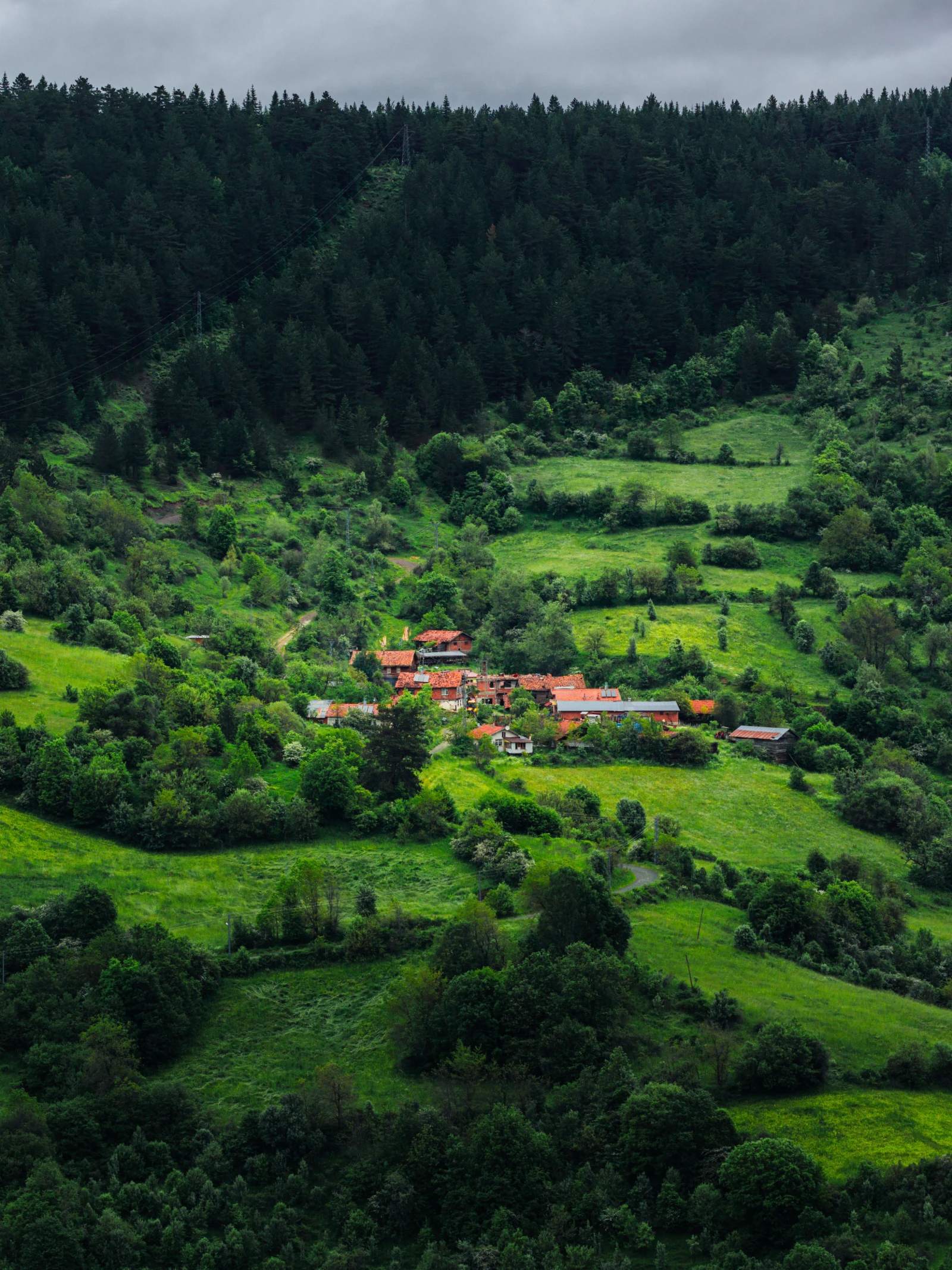
Ziro Valley, a green bowl of paddy fields tended by the Apatani, on UNESCO's tentative World Heritage list.
2. Majuli, Assam
One of the world's largest river islands, confirmed by Guinness World Records, sitting in the Brahmaputra and slowly being reshaped by it. Majuli is the heart of Assam's neo-Vaishnavite satra monasteries, where monks still perform masked dance dramas, and home to mask-makers and potters who welcomed me with an openness I hadn't expected from a place this remote. Cross by ferry, rent a bicycle, and let a day dissolve into the slow water and birdlife. The island is shrinking to erosion year by year; being here now feels like catching something before it changes.
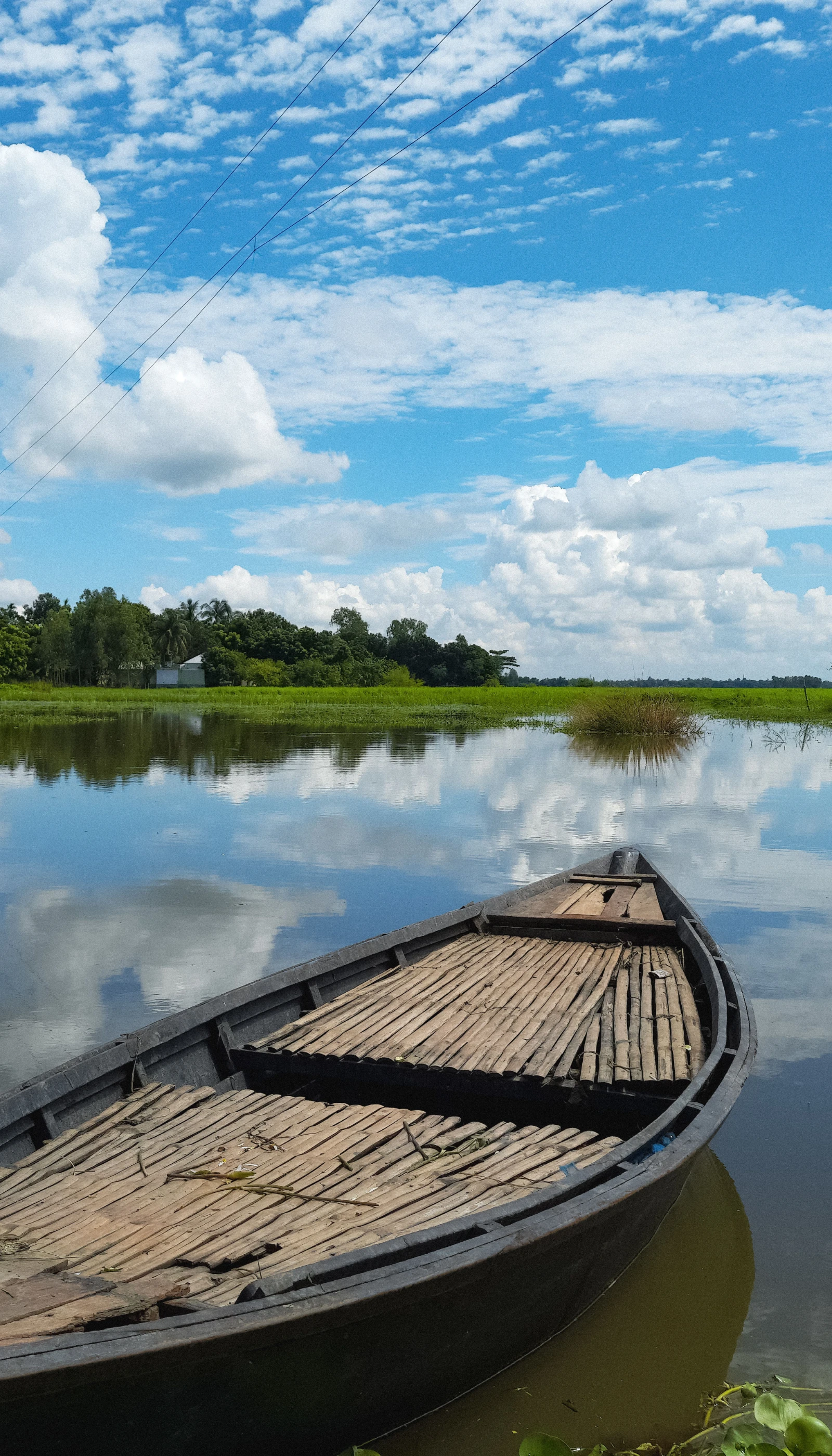
Majuli, one of the world's largest river islands, slowly being reshaped by the Brahmaputra.
3. Nongriat, Meghalaya
Reached on foot down roughly 3,500 steps into a valley near Cherrapunji, Nongriat is where you find the living root bridges, grown over decades from the roots of rubber fig trees by the Khasi, who trained the roots across rivers using hollow palm trunks. The double-decker root bridge here is the only one of its kind in the world. Stay overnight rather than rushing the day hike. Mornings at the lower pools, before the day-trippers arrive, are the reason to come.
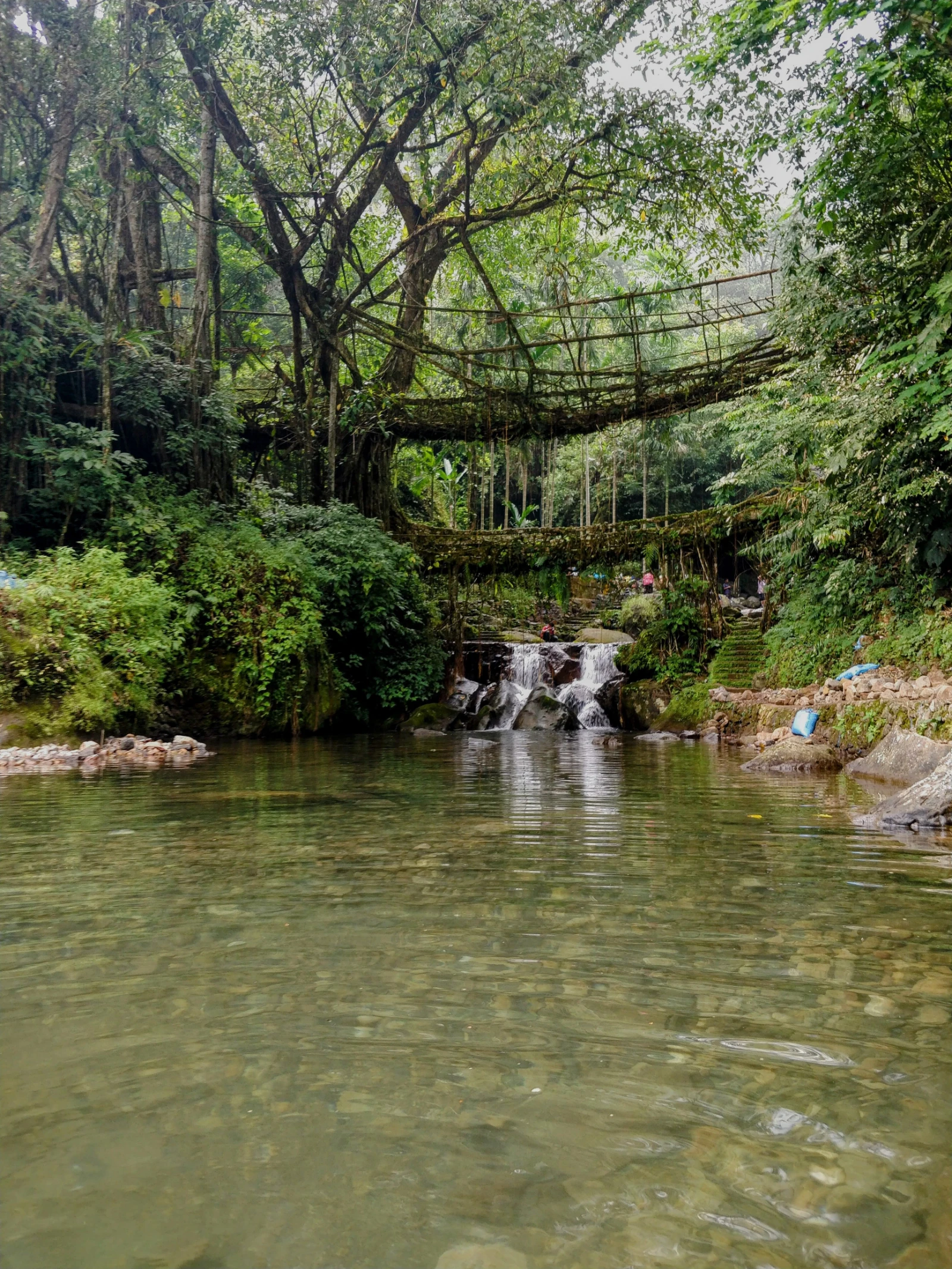
Nongriat's living root bridges, grown over decades from the roots of rubber fig trees by the Khasi.
Every trip we plan is private and starts with a conversation about how you want to travel, not a pre-written itinerary. For an offbeat route, that means specialist local guides, handpicked stays, and food, hygiene and safety checks built into each decision. See how our private India trips work.
4. Mawphlang sacred forest, Meghalaya
About an hour from Shillong in the Khasi hills, Mawphlang is one of India's oldest and most studied sacred groves, protected by the Khasi for around 800 years. Local belief forbids taking anything out, even a fallen leaf, which is part of why the forest shelters at least four tree species now extinct outside its boundaries. A community guide will walk you through the monoliths and explain how faith has done the conservation work that policy rarely manages on its own.
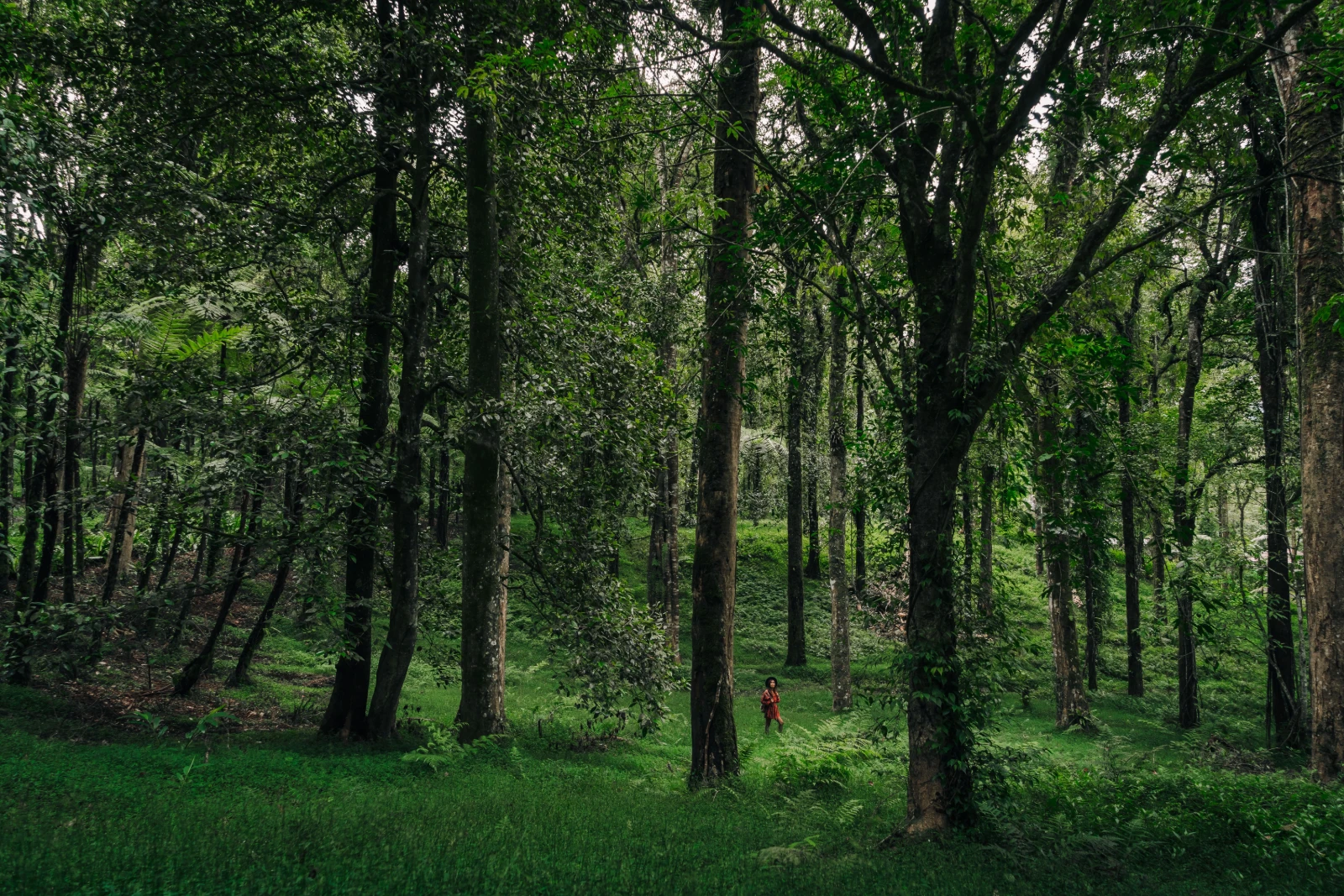
Mawphlang, protected by the Khasi for around 800 years, local belief forbids taking anything out, even a fallen leaf.
5. Khonoma, Nagaland
Often called India's first green village, a title earned in 2005, Khonoma is an Angami Naga settlement with a conservation story worth knowing. In 1998, alarmed after 300 endangered Blyth's tragopans were killed in a single community hunt, the village council banned hunting and logging entirely and created the Khonoma Nature Conservation and Tragopan Sanctuary. Stay with a family, eat smoked pork and foraged greens, walk the terraced fields, and hear how a village chose to protect its own hills because it had watched what happened when it didn't.
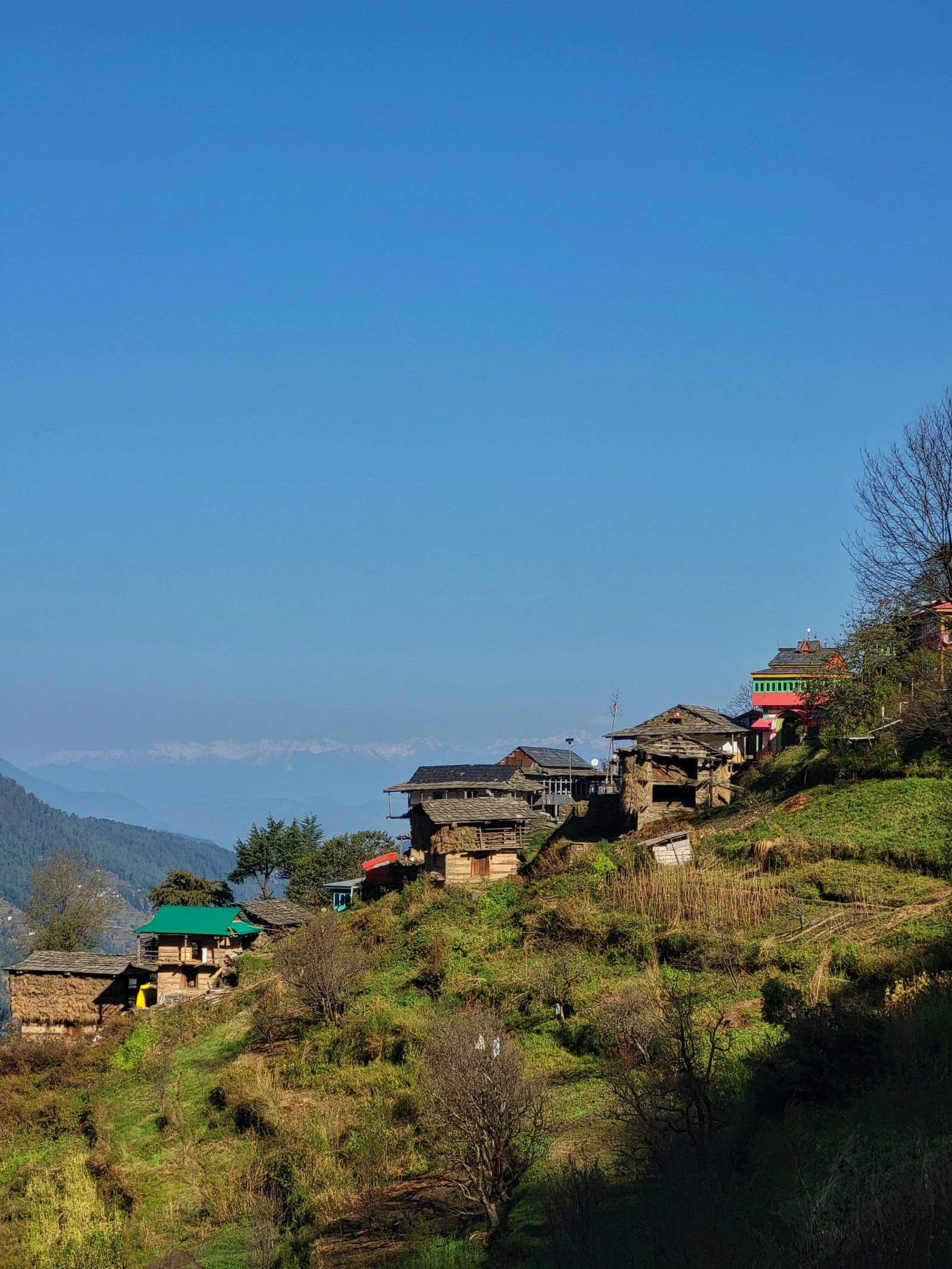
Khonoma, Nagaland, India's first green village, where the community banned hunting and logging to protect its own hills.
6. Spiti Valley, Himachal Pradesh
A cold desert above 3,000 metres, scattered with whitewashed monasteries that seem to grow from the rock. Key and Dhankar gompas, the fossil village of Langza, and homestays in Kibber give you altitude, silence and some of the clearest night skies in the country. Spiti opens only in the warmer months, so plan around the season and acclimatise slowly. The drive in from Shimla via Kinnaur is as good as the destination.
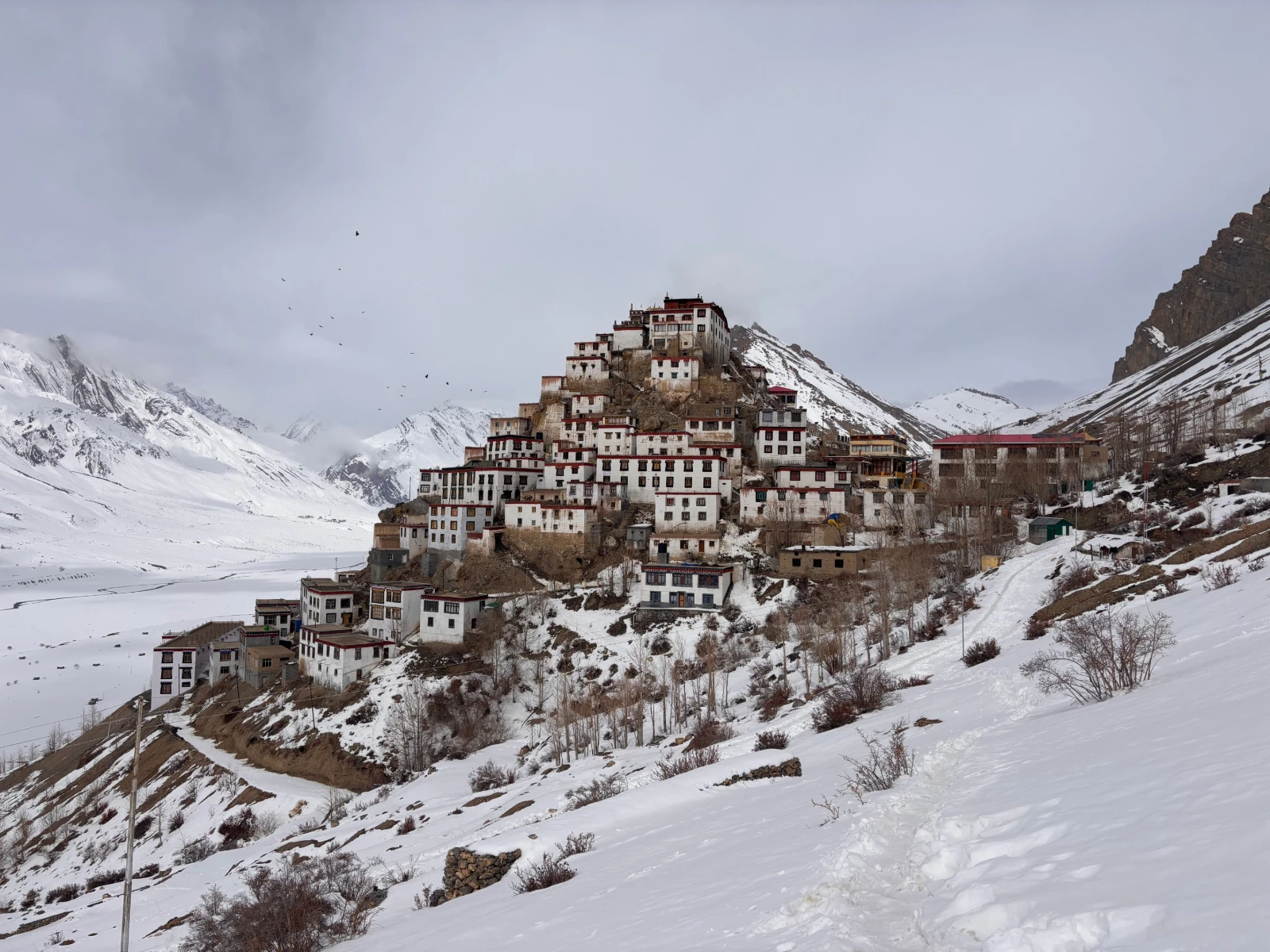
Spiti Valley, a cold desert above 3,000 metres, where monasteries seem to grow directly from the rock.
7. Kinnaur, Himachal Pradesh
On the road toward Spiti but gentler, Kinnaur is the apple country, with villages like Kalpa and Sangla framed by the Kinner Kailash range. The wooden temples, orchard homestays and a Kinnauri culture that sits at the intersection of Tibetan Buddhist and Hindu traditions make it a softer introduction to the high Himalaya. Come in autumn when the harvest is on and the light turns gold.
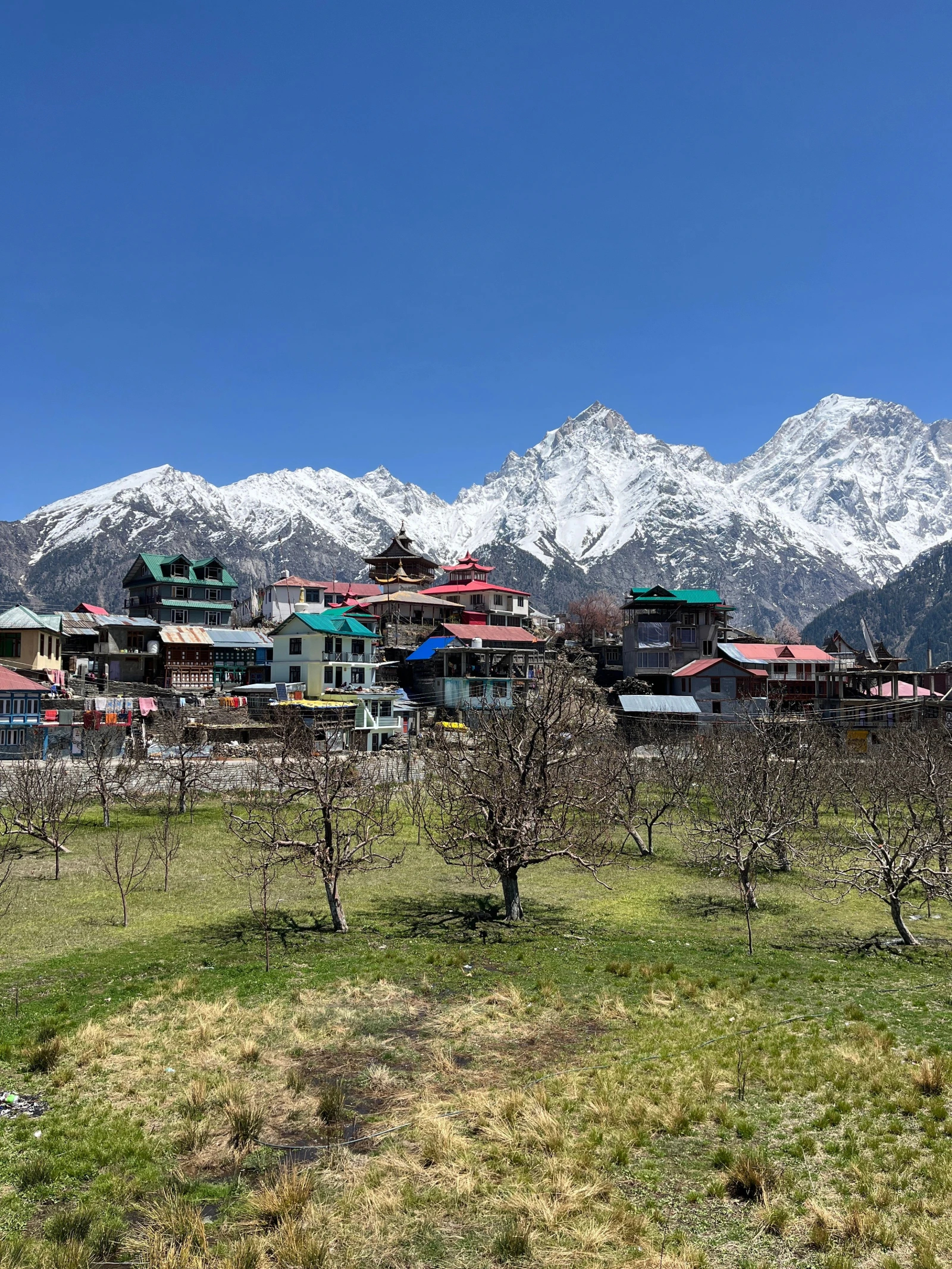
Kinnaur, apple country beneath the Kinner Kailash range, best seen in autumn light.
8. Hanle, Ladakh
Deep in eastern Ladakh, Hanle sits inside India's first Dark Sky Reserve, declared in December 2022, where artificial light is kept deliberately low so the stars can do what they do at 4,500 metres. The Indian Astronomical Observatory on the hill above the village houses the Himalayan Chandra Telescope, one of the world's highest optical telescopes. Homestays in the village keep the experience grounded, and access permits, required for both Indian and foreign visitors in this border-area zone, are straightforward to arrange in Leh. You can read more about Hanle in another article I wrote.
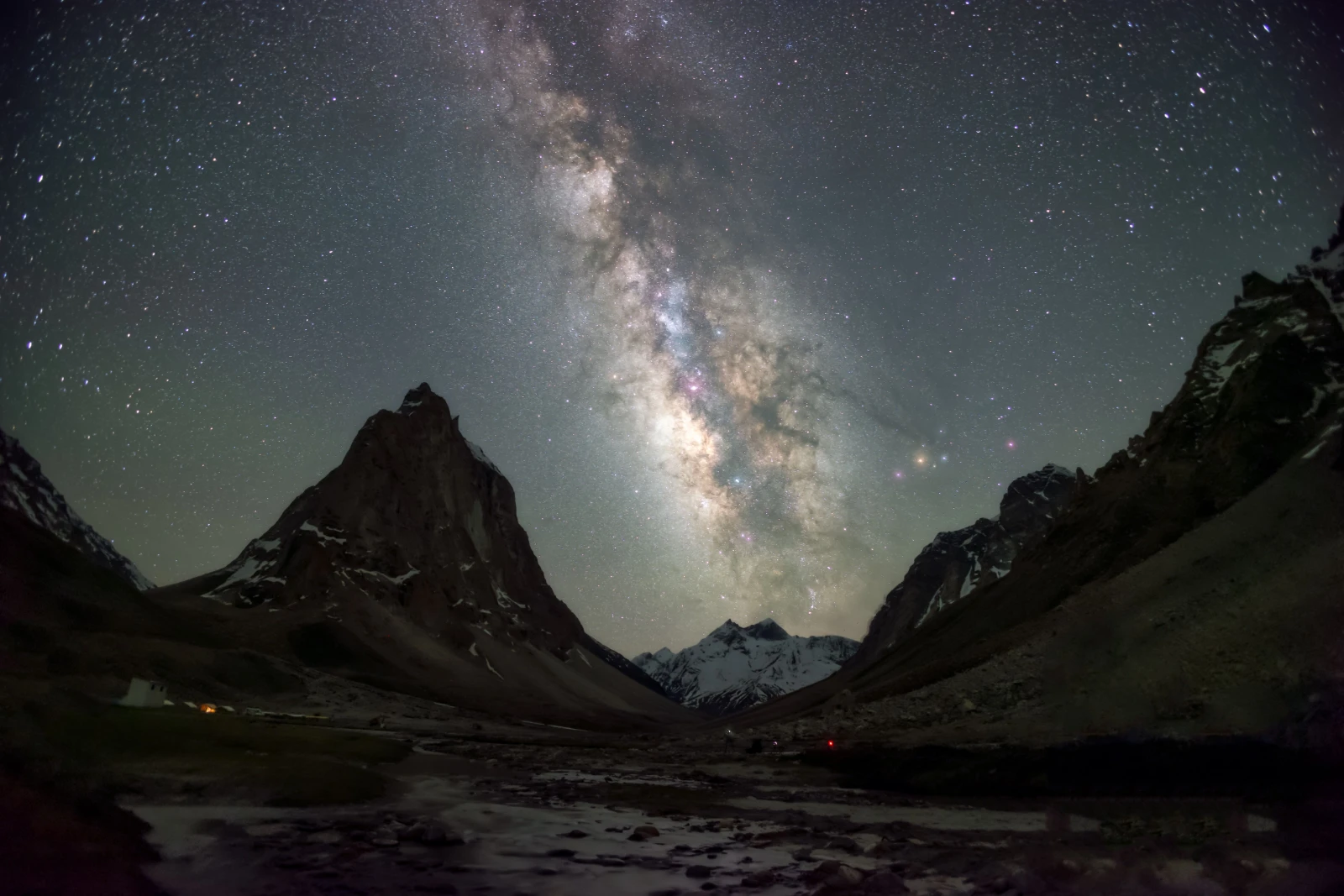
Hanle, inside India's first Dark Sky Reserve, at roughly 4,500 metres in eastern Ladakh.
9. Anegundi, Karnataka
Across the Tungabhadra from busy Hampi lies Anegundi, older than the Vijayanagara ruins and tied in legend to Kishkindha, the monkey kingdom of the Ramayana, Anjanadri Hill, believed birthplace of Hanuman, rises just behind the village. Most visitors get this the wrong way around: they stay in Hampi and day-trip to Anegundi. The better move is to stay in Anegundi at one of the community-run guest houses and cross to the ruins for the day. The boulders, the river ferry and the morning light are yours before the crowds arrive.
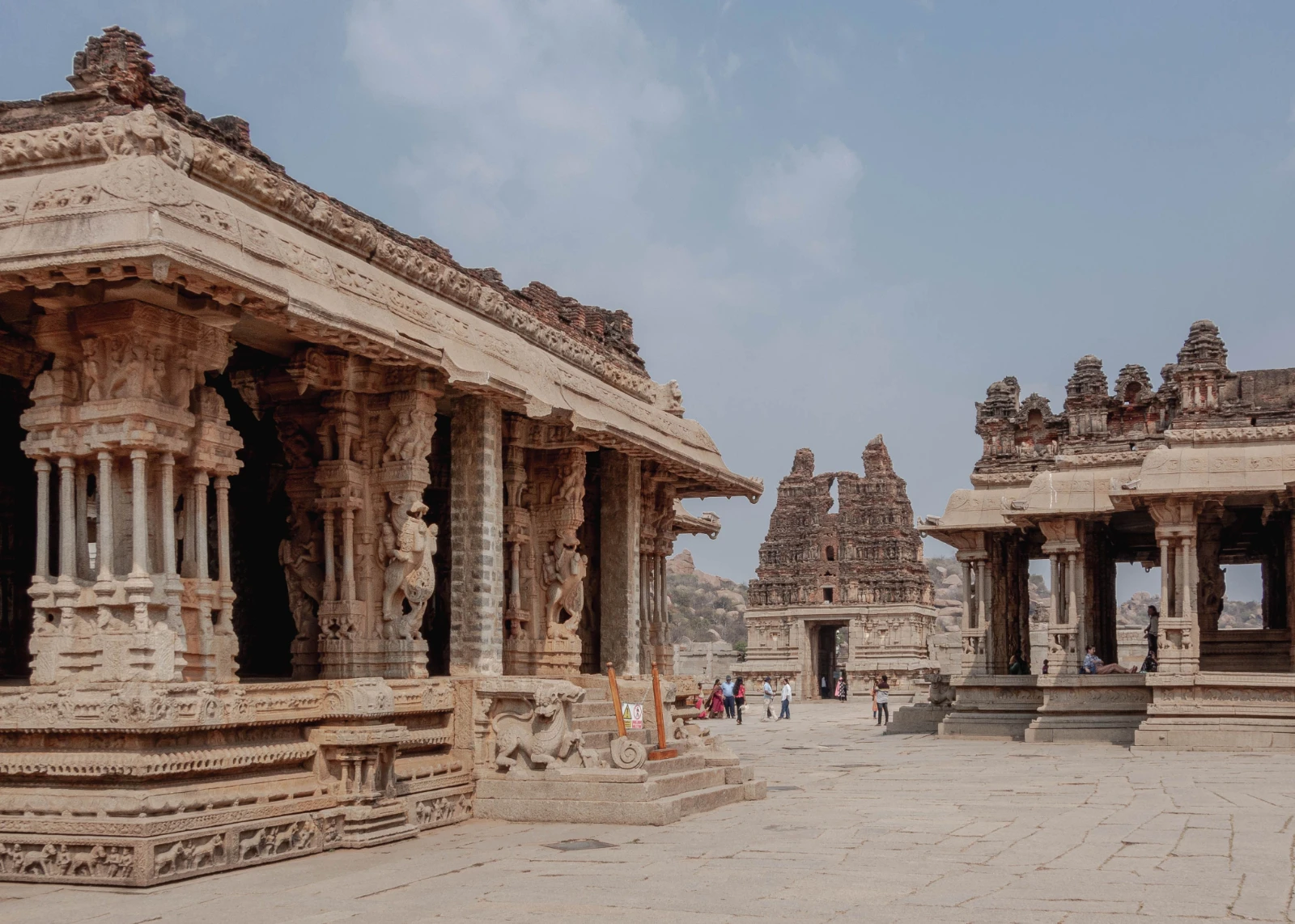
Anegundi, older than the Vijayanagara ruins across the river, and quieter than neighbouring Hampi.
10. Gokarna, Karnataka
A working temple town on the Karnataka coast where pilgrims and travellers share the same narrow streets without either group overwhelming the other. The Mahabaleshwara temple, one of the most sacred Shiva shrines in South India, sits at the centre of daily life, not behind a tourist cordon. A short walk over the headland leads to Om Beach and smaller coves accessible only on foot. Gokarna is what much of coastal Goa used to be: sacred, slow and genuinely mixed in character.
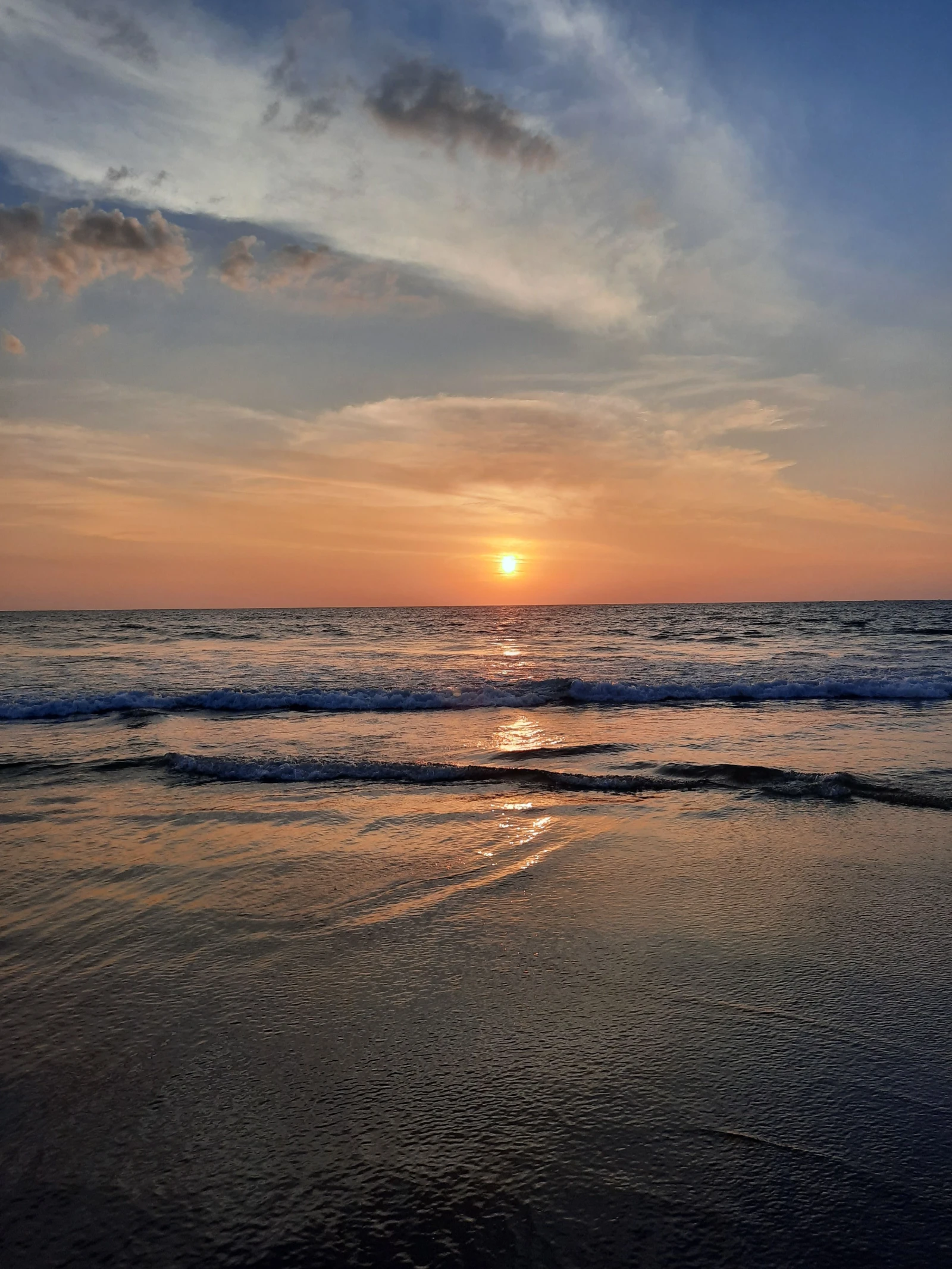
Gokarna, a working temple town on the Karnataka coast, sacred and slow in equal measure.
11. Chettinad, Tamil Nadu
A cluster of small towns in rural Tamil Nadu whose Nattukotai Chettiars, prosperous merchants with trade networks across Southeast Asia, built mansions of a scale that still startles. Many are fading, some have been restored into heritage stays, and a few are lived in by descendants who will show you rooms packed with Burmese teak, Belgian tiles and hand-ground spice jars. The cuisine here, dry-roasted spice blends, crab curry, black rice pudding, is one of the most distinctive regional cooking traditions in India. Come hungry and stay two nights. Chettinad cooking is one of the high points of our regional guide to Indian food.
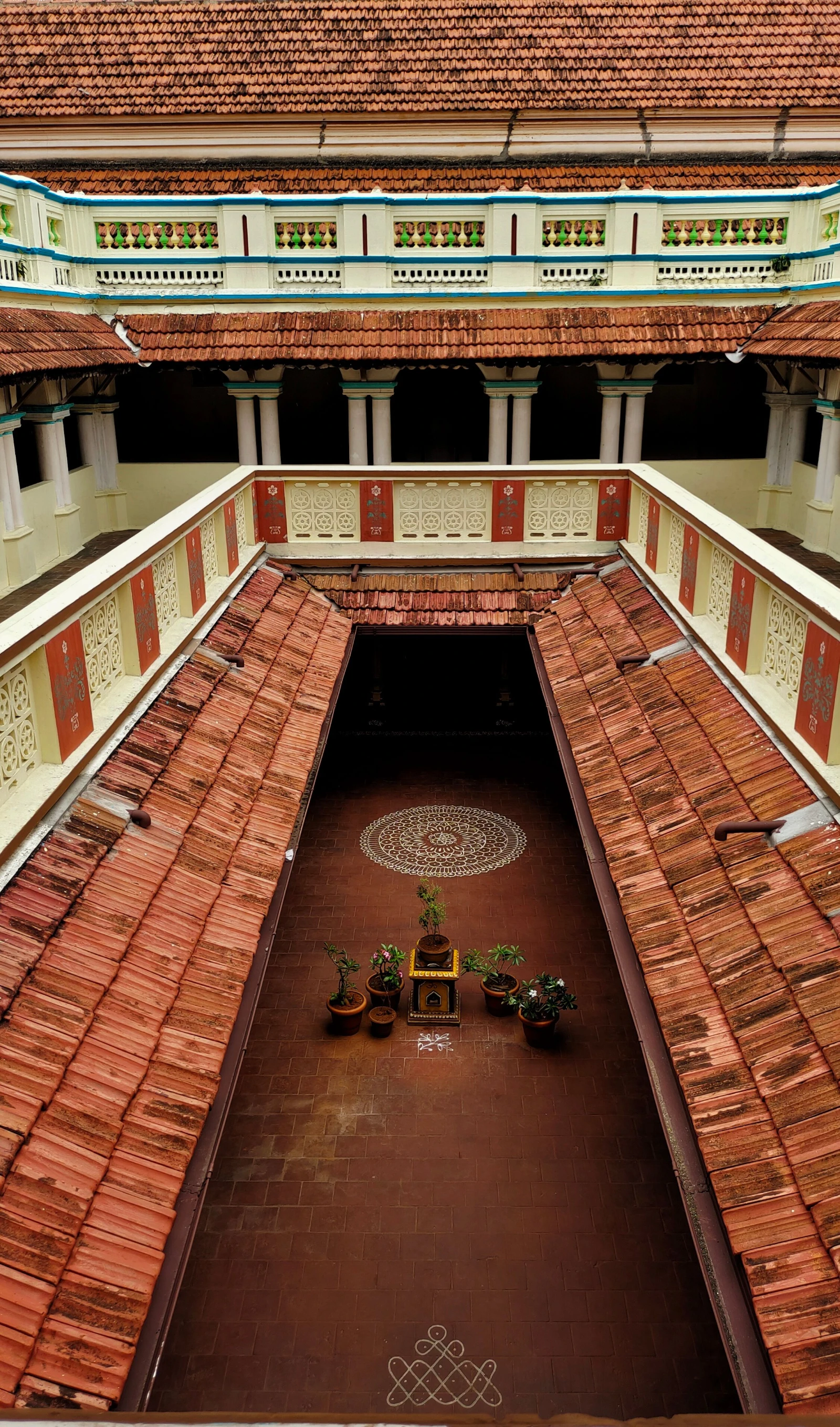
Chettinad's grand merchant mansions, built by the Nattukotai Chettiars with trade wealth from across Southeast Asia.
12. Wayanad, Kerala
A forested upland in northern Kerala that trades beaches and backwaters for spice plantations, waterfalls and a deep Adivasi heritage. Responsible homestays and community tourism projects connect visitors with communities who have lived in these hills for generations. It pairs well with a slower Kerala route for travellers who want green over coast. Add a night on the backwaters and you have the contrast between hills and water.
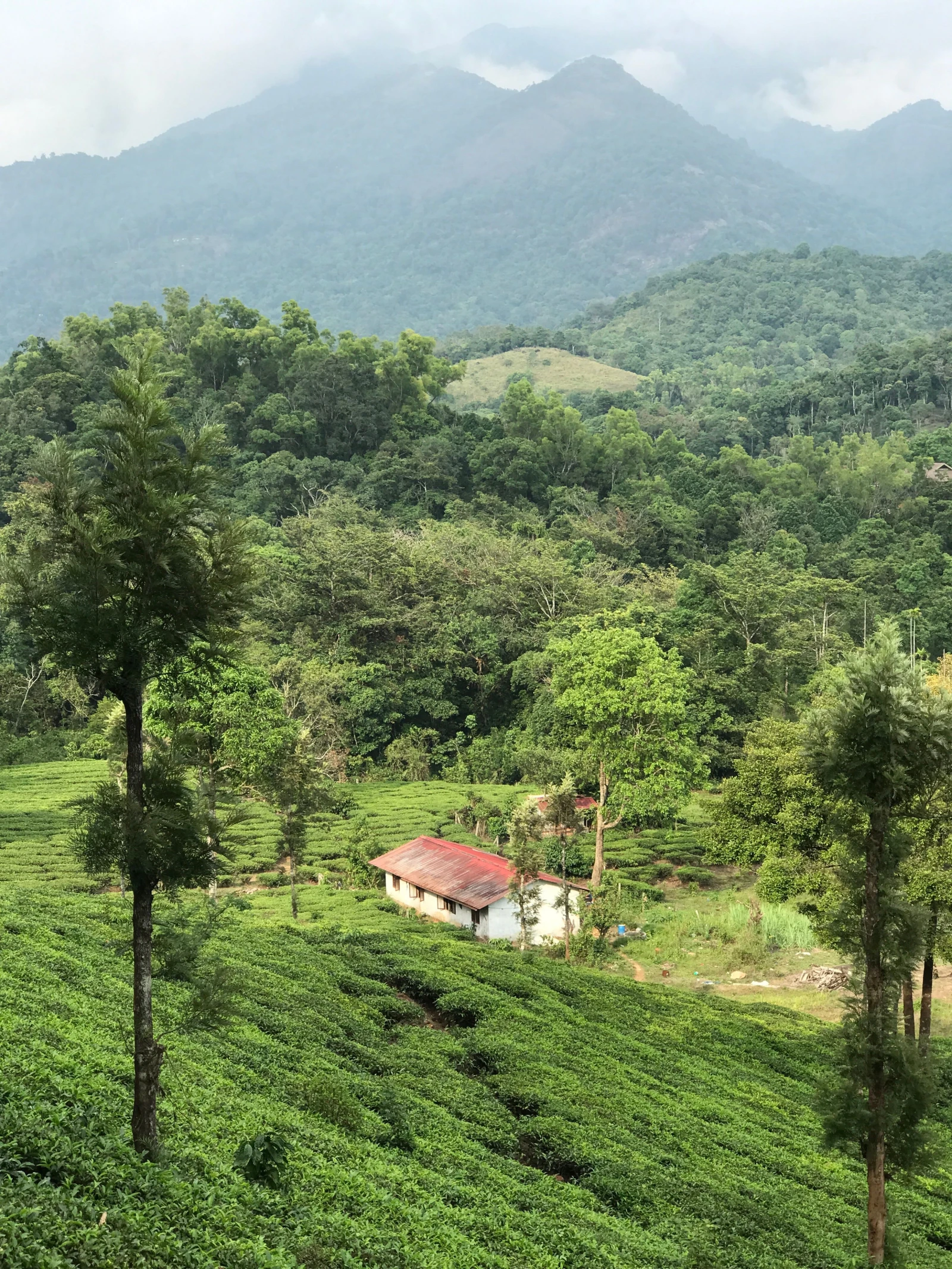
Wayanad, spice plantations, waterfalls and Adivasi heritage in Kerala's northern uplands.
13. Banni grasslands, Kutch, Gujarat
Beyond the white salt flats of the Rann lie the Banni grasslands, home to pastoralist and artisan communities whose round mud-and-mirror homes are among the most photographed structures in India, and yet the grasslands themselves are barely visited. This is one of the richest craft regions in the country: embroidery, weaving and leatherwork are still made by hand, still sold by the families who make them. Stay in a village, visit the makers directly, and if you can, time a winter trip to coincide with the full moon over the salt.
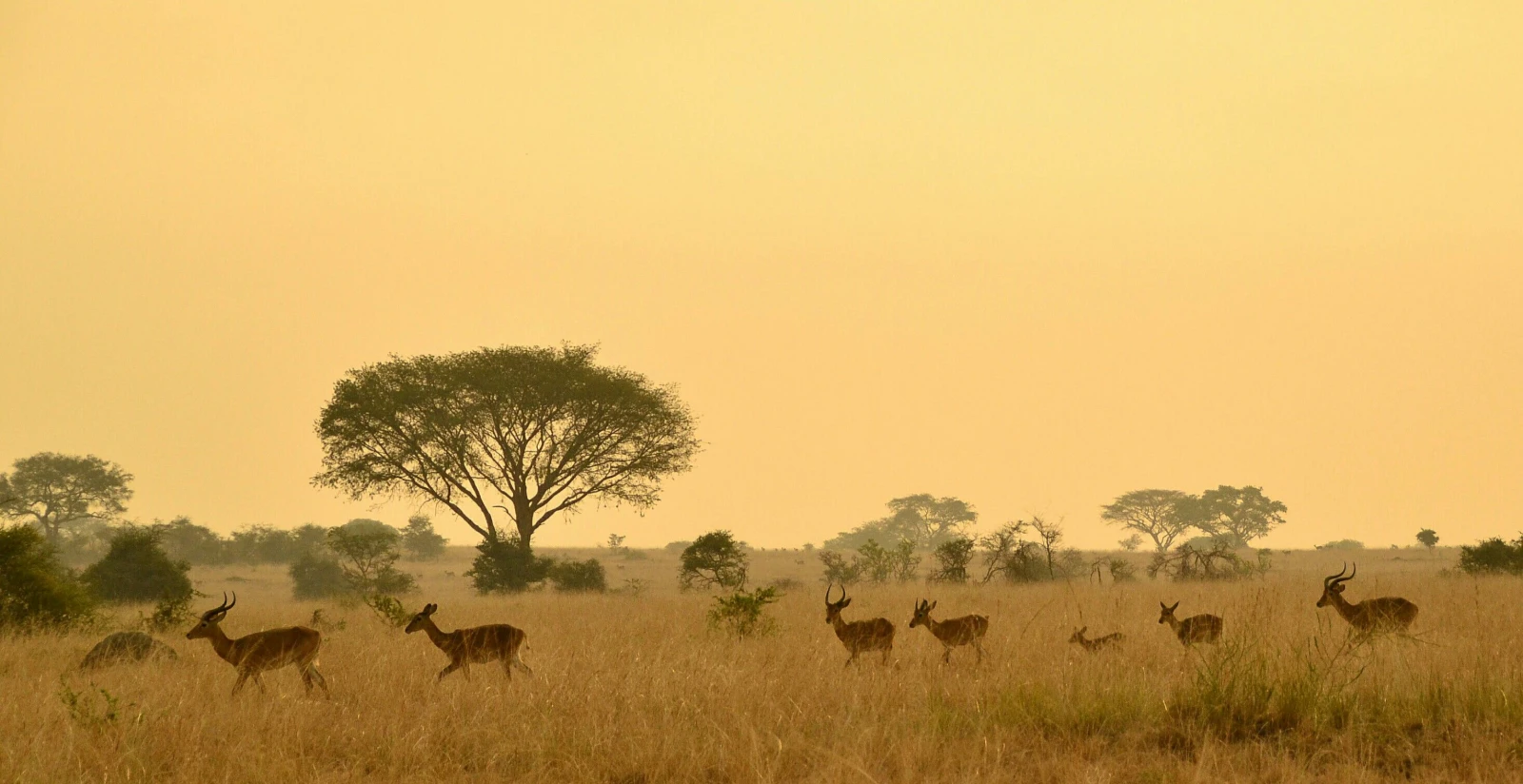
Banni grasslands, Kutch, one of India's richest craft regions, still barely visited despite its famous mirrored homes.
14. Mandu, Madhya Pradesh
A hilltop city of Afghan-era palaces, pavilions and mosques largely empty of crowds, and beautiful in the monsoon when the plateau turns green around the ruins. Jahaz Mahal, the ship palace, sits on a narrow strip of land between two lakes, Munj Talao and Kapur Talao, and from certain angles does genuinely appear to float. The wider ruins reward an unhurried day on foot or by bicycle. Mandu is the kind of grand, half-forgotten place that the standard India map skips entirely.
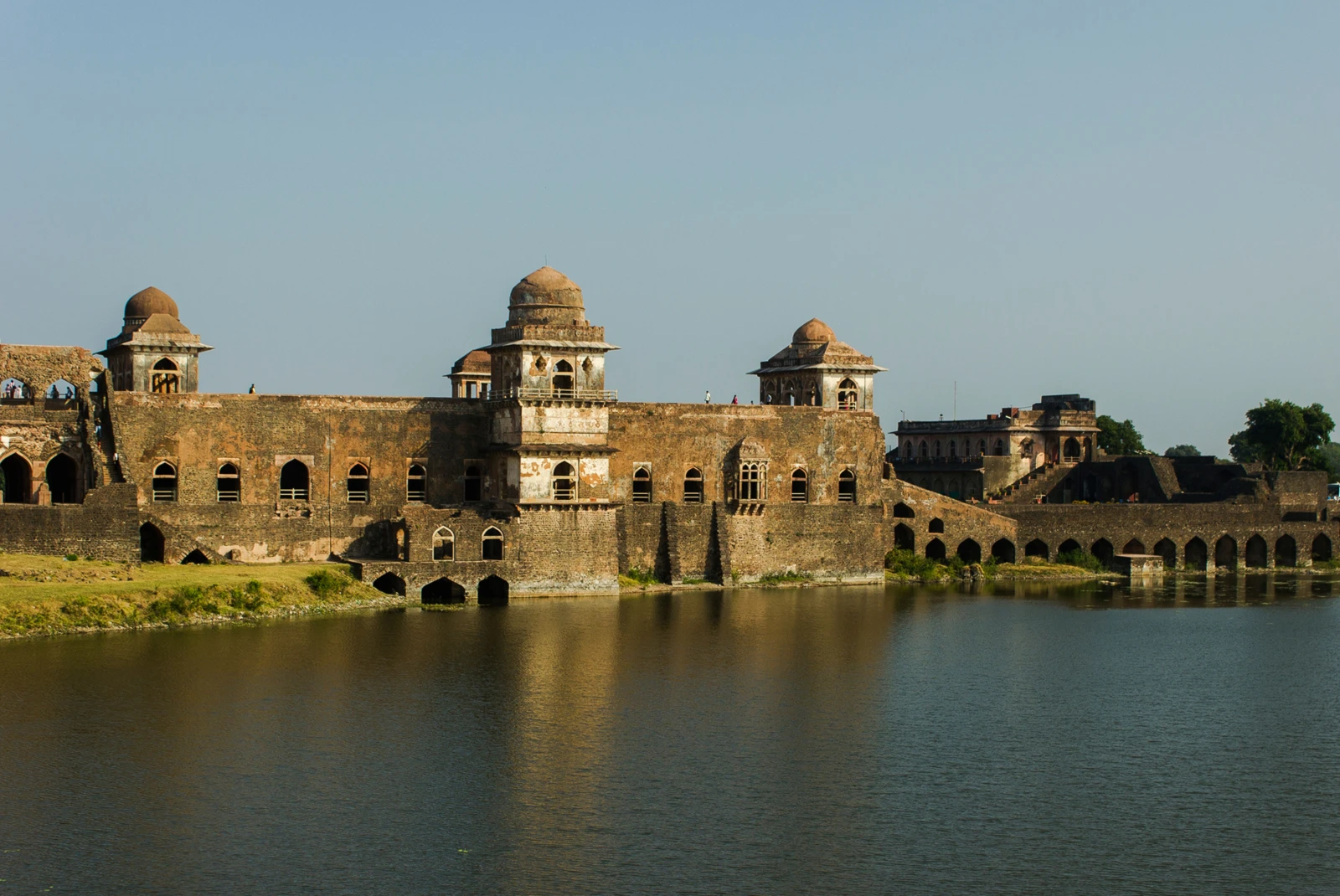
Mandu, a hilltop city of Afghan-era palaces, at its greenest and most beautiful in the monsoon.
15. Koraput, Odisha
In the Eastern Ghats of southern Odisha, Koraput and its surrounding hills are home to many Adivasi communities, weekly tribal markets and a landscape of coffee and millet farms that most guidebooks never reach. Travel here calls for a respectful, well-guided approach through community tourism, the experience works only when visits are dignified for hosts. The reward is an India that very few travellers ever see.
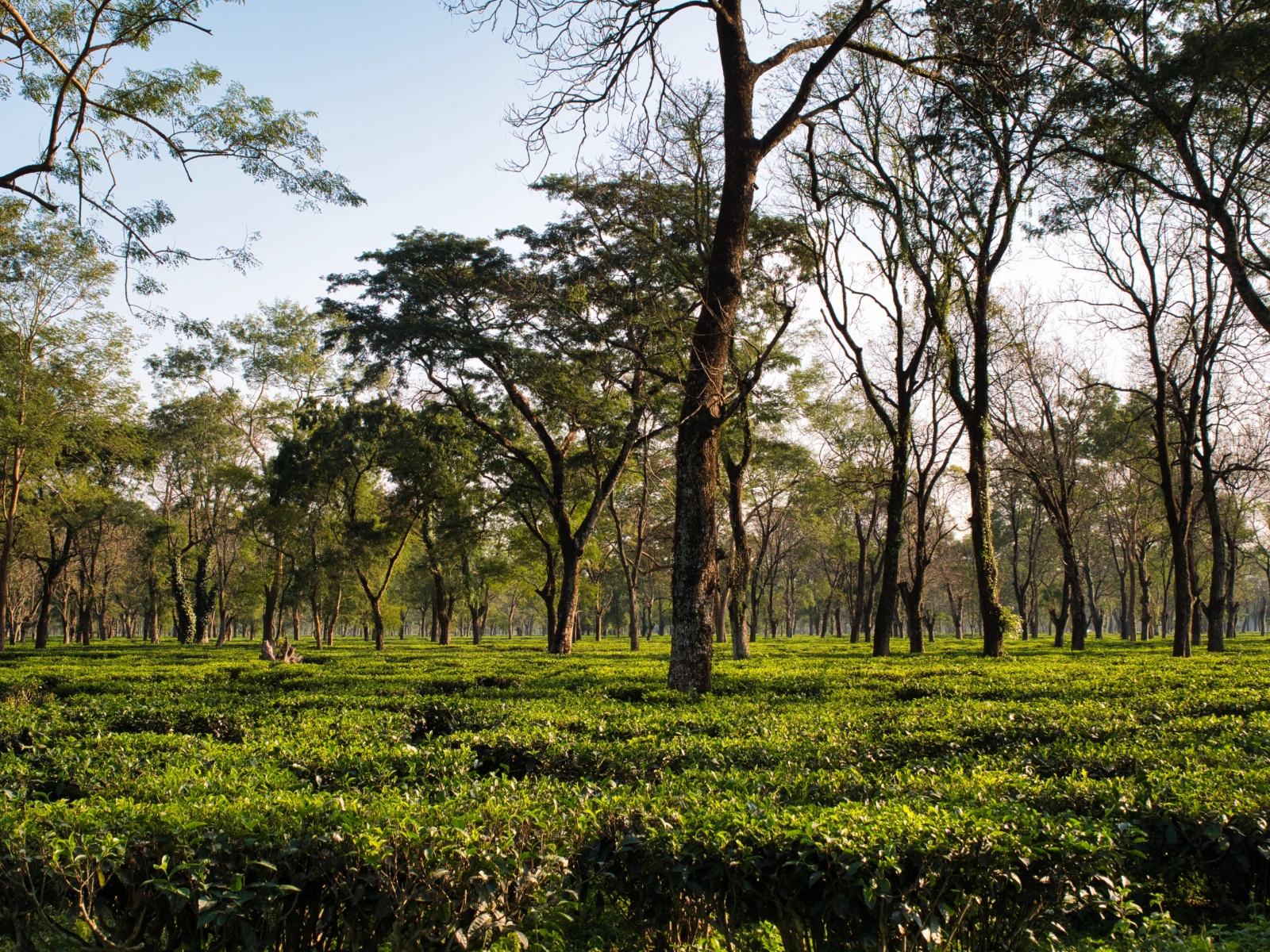
Koraput, Odisha, Adivasi communities, weekly tribal markets, and a landscape most guidebooks never reach.
Done this way, hidden India is not extraction. It is an exchange, and the best version of it leaves both sides a little richer.