Few places on earth make you look up the way Ladakh does. At Hanle, on the Changthang plateau, the Milky Way fills the sky wall to wall, and one village has built the infrastructure to help you understand what you are looking at.
Ladakh is a high-altitude desert in the northernmost part of India, sitting between the Himalaya and Karakoram ranges at elevations that most of the world calls a mountain summit. Leh, the main town, sits at around 3,500 metres. The village of Hanle, three to four hours further south-east across the Changthang plateau, sits at roughly 4,500 metres, and hosts what I think is the single most moving travel experience in the country: a clear, moonless night under a sky that most people will never see anywhere else.
What makes Ladakh different from other high-altitude destinations?
Ladakh is not the Himalaya as most travellers picture it. There are no jungle valleys, no rice terraces, no tiger reserves. This is a cold desert: flat-bottomed valleys between enormous peaks, monasteries perched on crumbling ridgelines, prayer flags snapping in a wind that comes from nowhere and goes everywhere. The light here is extraordinary, thin and clear and precise in a way that changes quality at every hour of the day.
It is a landscape built for distance and silence, which is part of why the sky matters so much. In most of the world, even so-called dark sky spots carry some ambient light from nearby towns. Ladakh has almost none of that. You are high, you are dry, and for hundreds of kilometres in every direction there is almost no artificial light at all.
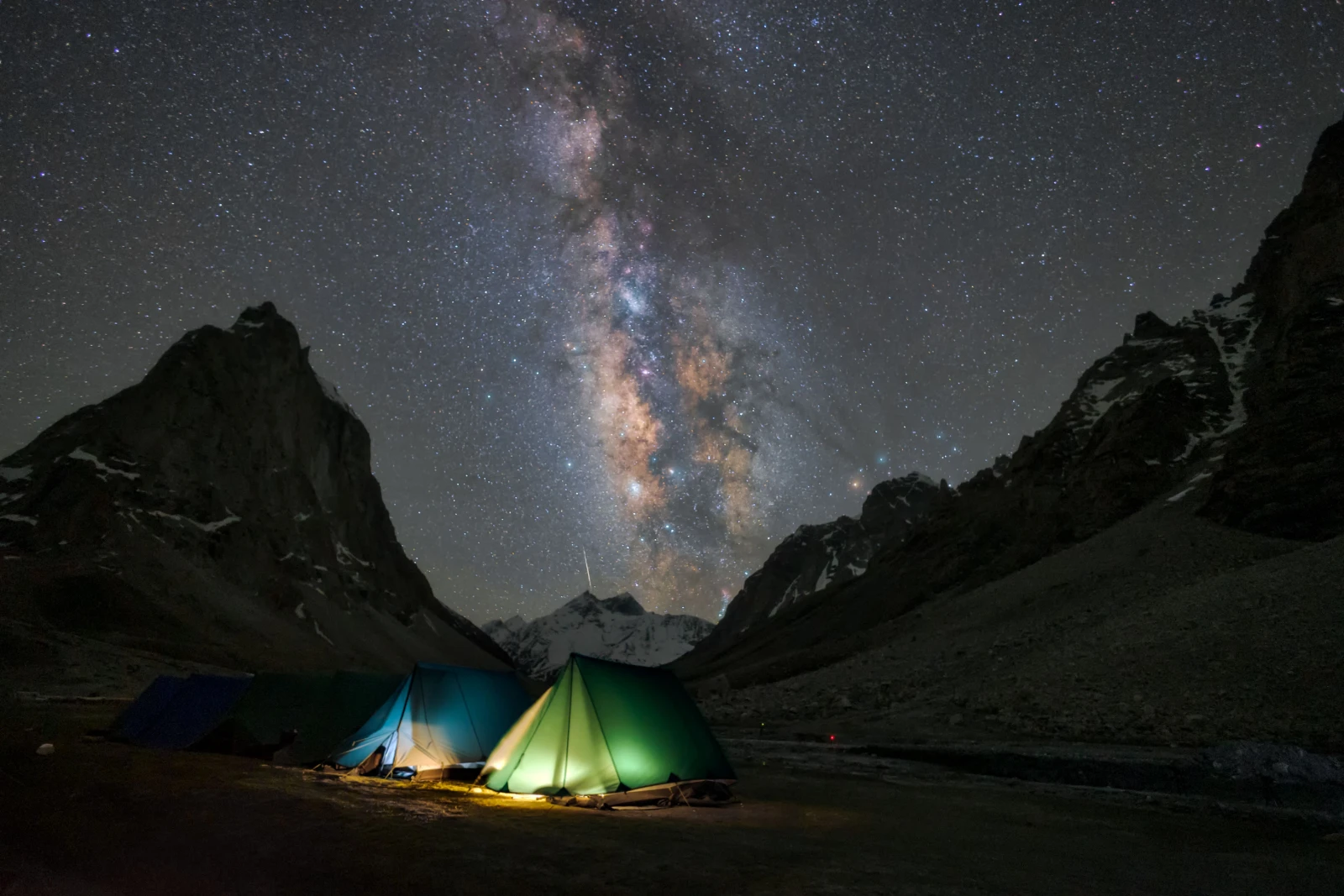
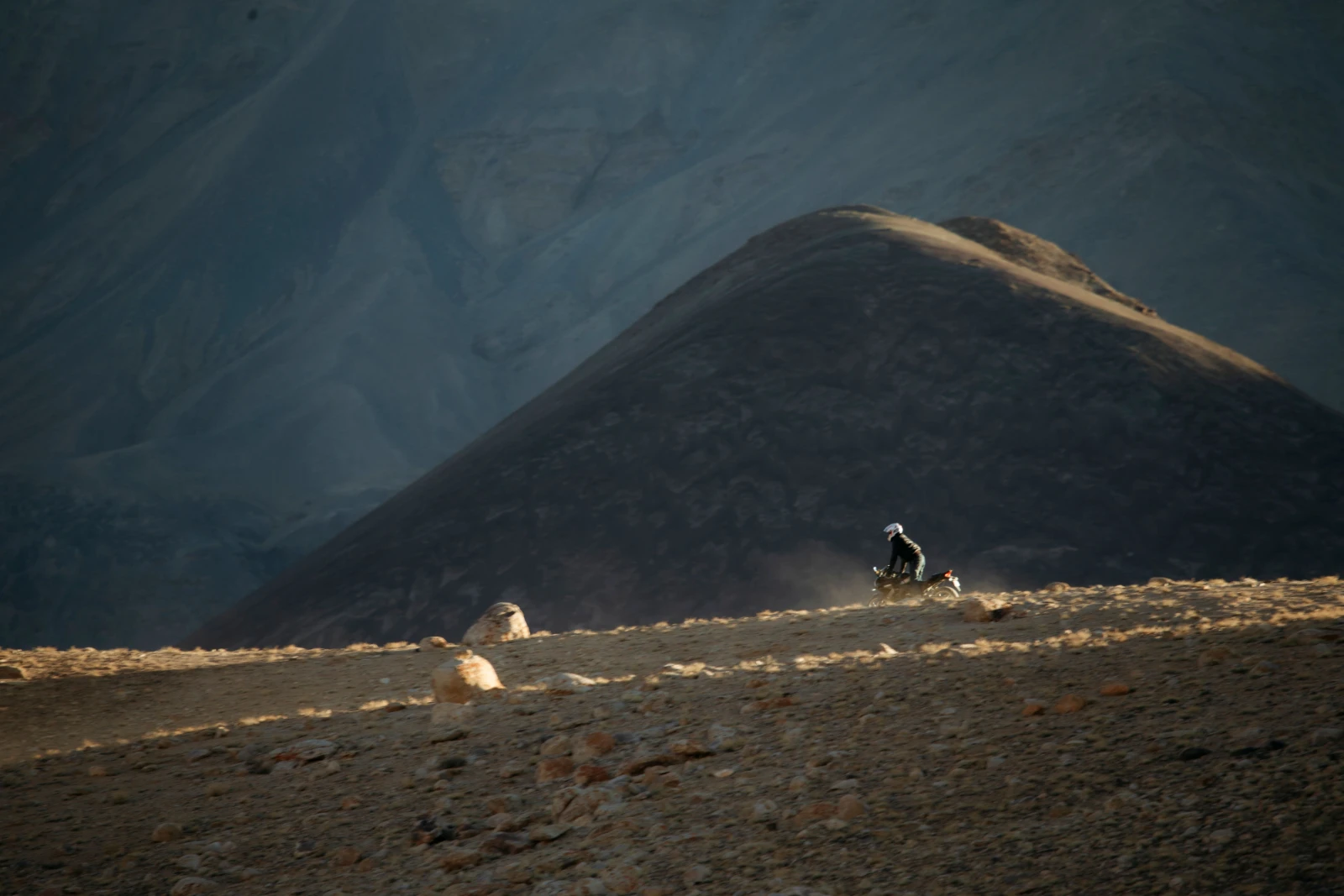
The Changthang plateau stretches to the horizon in every direction, a cold desert at 4,500 metres where silence and scale are the first things you notice.
What is the Hanle Dark Sky Reserve?
In 2022, Hanle was declared India's first, and South Asia's first, Dark Sky Reserve. The designation, led by the Indian Institute of Astrophysics (IIA), protects the area from light pollution and formalises what astronomers had known for years: this patch of plateau offers some of the clearest observing conditions on earth.
Local homestay families have been trained as astronomy hosts, learning enough about the sky above their own roof to guide visitors through what they are seeing. This is not a marketing exercise. The training is real, and the result is that you can stay with a family in Hanle, eat a home-cooked meal, and then stand outside after dark with someone who has spent their entire life under that sky. That is the kind of travel I believe in: depth, local knowledge, and money that stays in the village. It is the same thinking behind tribal and community homestays elsewhere in India.
The Hanle Dark Sky Reserve is not just a scenic title. It comes with active light pollution controls on surrounding villages and infrastructure, including a public observatory, built specifically to welcome non-specialist visitors.
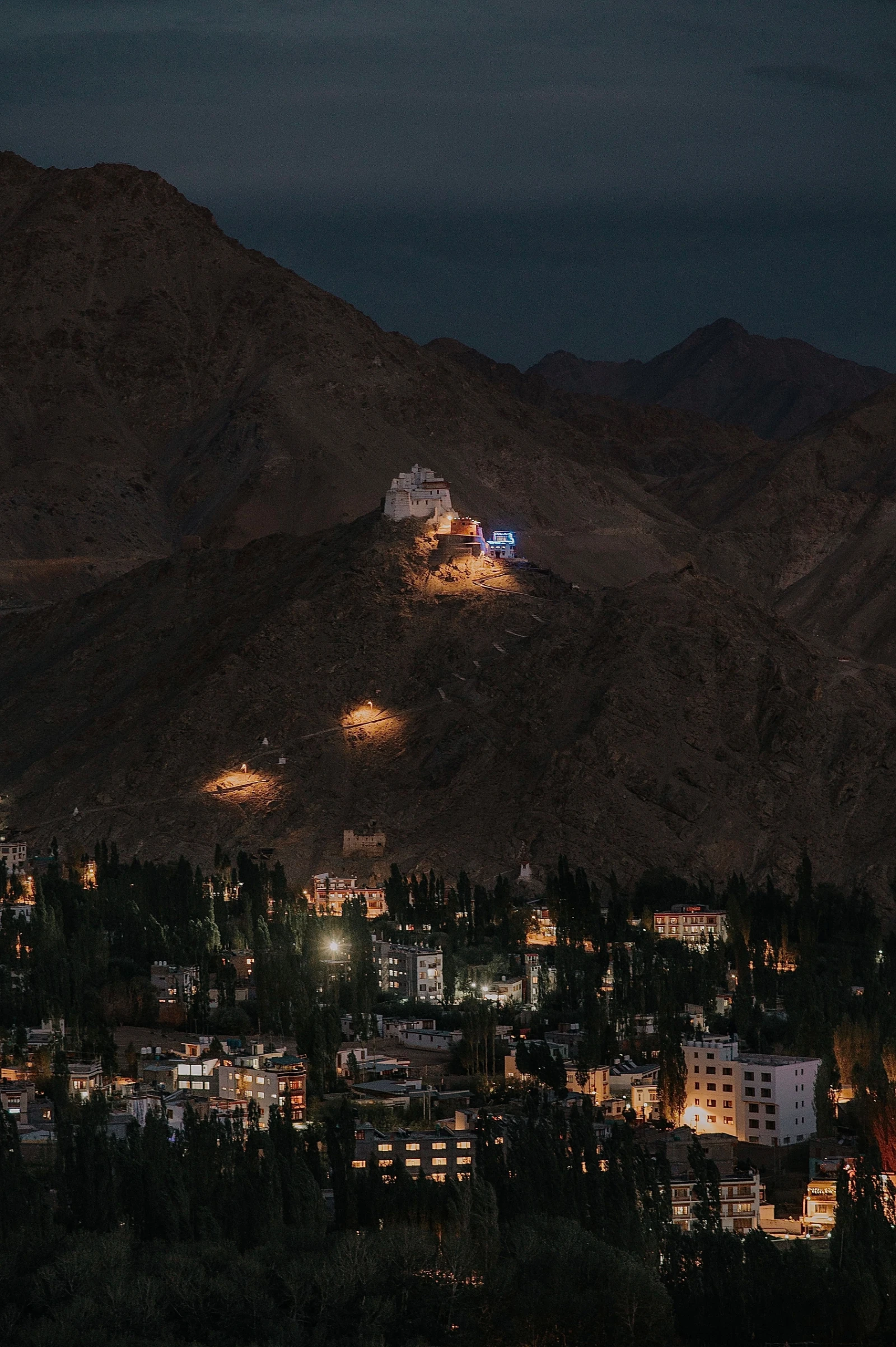
A moonless night at Hanle, the Milky Way is not just visible but overwhelming, filling the sky from horizon to horizon.
Getting to Hanle from Leh
Hanle is about 250 kilometres from Leh, and the drive takes three to four hours on a mix of surfaced and rough roads. The route crosses the Morey Plains, a wide, high-altitude steppe where you might see kiang, Tibetan wild ass, and passing herds of pashmina goats, before dropping into the Hanle valley. I would not rush this drive. The Changthang plateau is one of the least-visited and most spectacular stretches of road in India.
Because Hanle sits in a restricted zone close to the border, both Indian nationals and foreign visitors need a permit. Indian nationals need an Inner Line Permit (ILP); foreign nationals need a Protected Area Permit (PAP). Both are straightforward to arrange in Leh, usually within a day, and most travel operators handle this as standard.
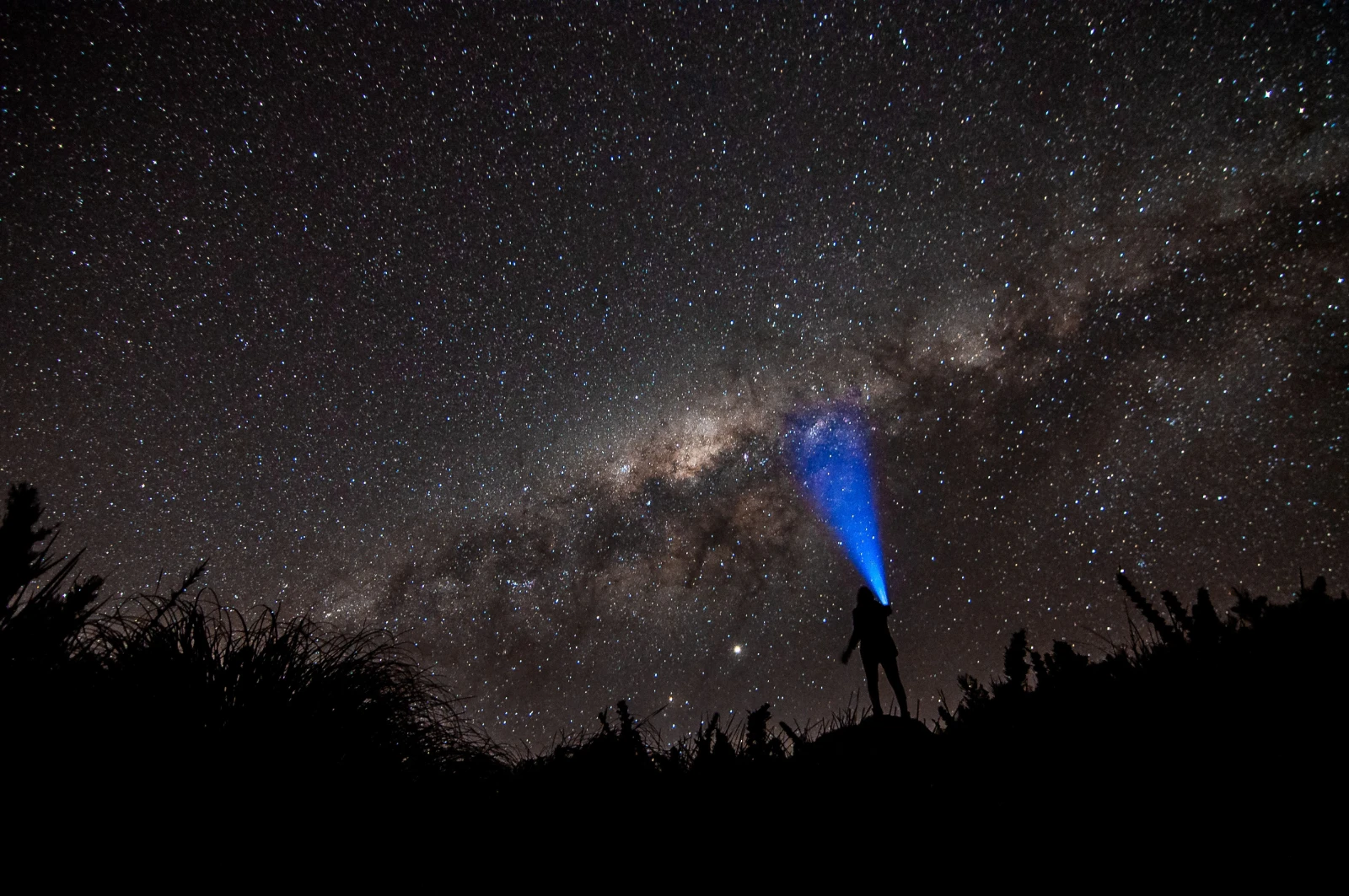
The drive across the Changthang is itself part of the experience, high-altitude steppe, nomadic herds, and almost no other traffic.
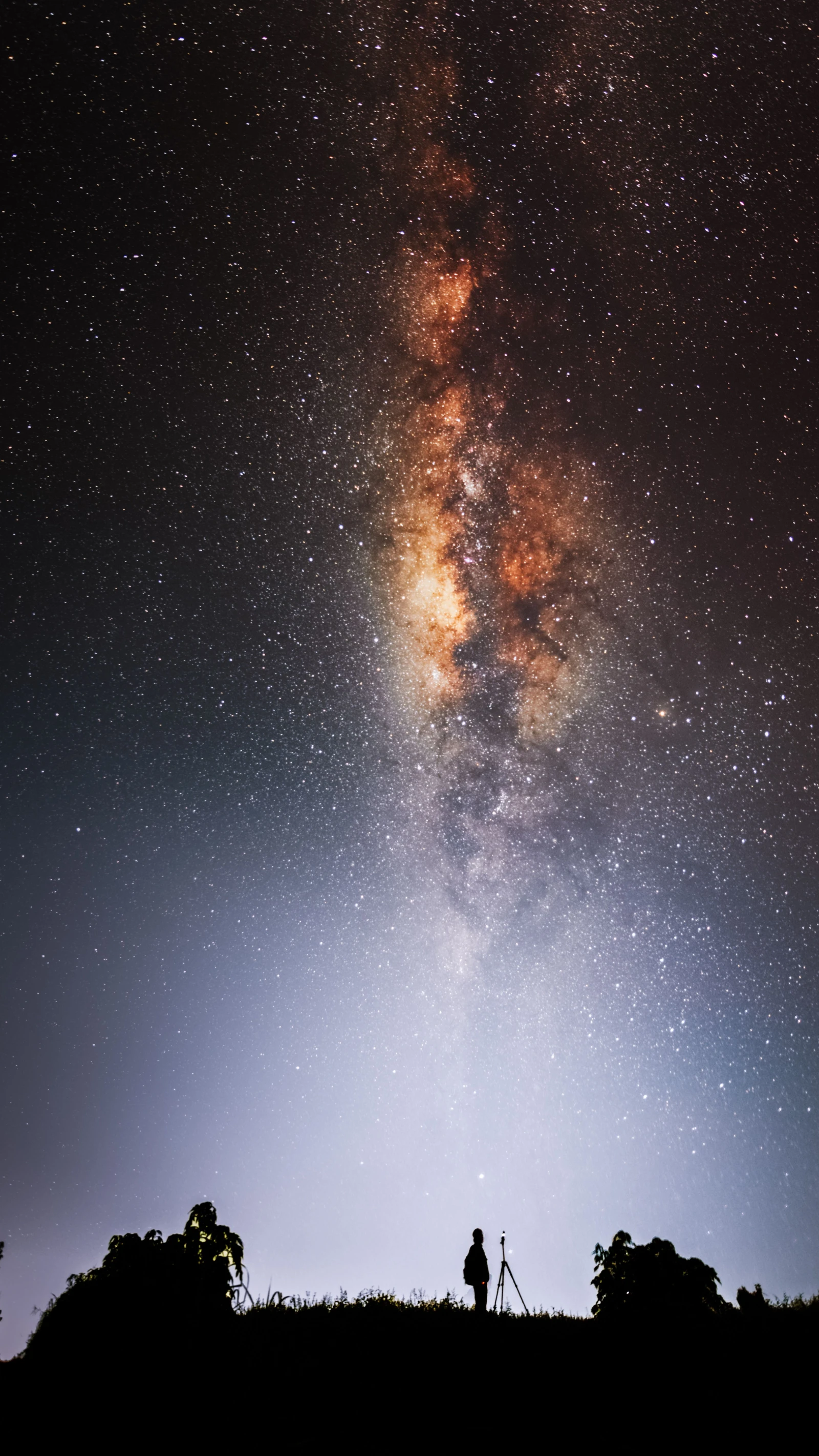
The Indian Astronomical Observatory at Hanle sits on a ridge above the village, one of the highest observatories in the world.
Every trip we plan is private and starts with a conversation about how you want to travel, not a pre-written itinerary. For a high-altitude trip to Ladakh, that means specialist local guides, handpicked stays, and food, hygiene and safety checks built into each decision. See how our private India trips work.
Altitude and acclimatisation: the honest version
Leh is at around 3,500 metres. Hanle is at roughly 4,500 metres. Most travellers who fly directly to Leh, which is the standard route, will feel the altitude within hours: headache, fatigue, shortness of breath, sometimes nausea. This is not a small thing, and I will not pretend otherwise.
Spend at least two full days in Leh before driving to Hanle. Do not plan strenuous activities on your first day. Drink plenty of water, eat light meals, and avoid alcohol for the first 48 hours. If symptoms worsen rather than improve, severe headache, confusion, loss of coordination, or breathlessness at rest, descend and seek medical help. Most travellers who pace themselves properly have no serious problems. A good local guide adds a genuine layer of safety and judgement.
Altitude sickness is real and can escalate quickly. Hanle at 4,500 metres is not a casual excursion, it rewards those who arrive already acclimatised to Leh and move at a measured pace.
When to go, and a note on responsible travel
The main Leh–Manali and Leh–Srinagar highways are open roughly May to October, with July and August offering the warmest and clearest conditions for Hanle. A new moon week gives the darkest skies. Winters close the roads and make Hanle inaccessible to most visitors.
The Changthang plateau is one of the most environmentally fragile landscapes in India, and the nomadic Changpa communities who have herded pashmina goats across it for generations are navigating rapid change. I think the right way to travel here is slowly: with local operators, staying in homestays rather than large hotels, and being careful about what you leave behind. Ladakh earns the kind of attention that changes people. It deserves visitors who arrive with more than a camera. Hanle also sits on our list of offbeat places in India worth the effort.
Prayer flags mark the high passes, the wind here carries them all day without pause, and the sky behind them changes colour by the hour.
- Spend at least two full days acclimatising in Leh before driving to Hanle
- Arrange your Inner Line Permit (ILP) or Protected Area Permit (PAP) in Leh, usually same-day or next-day
- Time your visit to a new moon week for the darkest possible skies
- Pack layers, even in summer, nights at 4,500m are cold
- Stay in a local homestay in Hanle, money goes directly to the community
- Drive the Changthang slowly; the road is as much the destination as the village
- Main season: May to October; July and August are warmest
Frequently asked questions
When is the best time to visit Ladakh for stargazing?
May to September is the main window when the Manali–Leh and Srinagar–Leh highways are open. July and August offer the warmest nights and clearest skies at Hanle. A new moon week, when the moon is absent from the sky, gives the most dramatic conditions for the Milky Way.
Is altitude sickness a real risk in Ladakh?
Yes, and it should be taken seriously. Leh sits at around 3,500 metres and Hanle at roughly 4,500 metres. Travellers who fly directly to Leh may experience mild symptoms for the first day or two. Drink plenty of water, avoid heavy meals and alcohol on arrival, rest on your first day, and descend promptly if symptoms worsen rather than improve.
Is Ladakh only for experienced trekkers?
No. The most popular destinations in Ladakh, Leh, Nubra Valley, Pangong Lake, and Hanle itself, are all road-accessible. You do not need to be a trekker to reach any of them. What you do need is a willingness to acclimatise properly and move at the altitude's pace. If you do want to walk, our guide to trekking in the Himalayas sets out the routes by level.
Do you need permits to visit Hanle?
Yes. Hanle is in a restricted zone close to the Indian border. Indian nationals need an Inner Line Permit (ILP) and foreign nationals need a Protected Area Permit (PAP). Both are straightforward to arrange in Leh, typically within a day, and most travel operators handle this routinely.
What is the Hanle Dark Sky Reserve?
Declared in 2022, it is India's first, and South Asia's first, officially designated Dark Sky Reserve, led by the Indian Institute of Astrophysics. It protects the area from light pollution and supports local homestay families trained as astronomy hosts, making it accessible to visitors without specialist equipment.